Opening of the Nuremberg Christmas Market (Nov. 28)
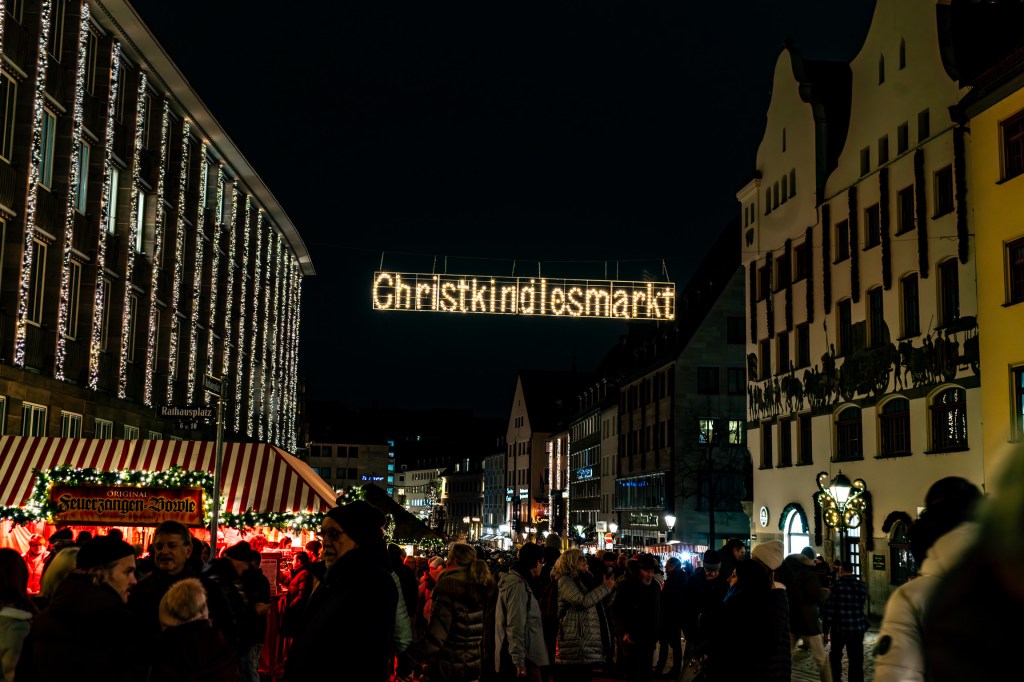
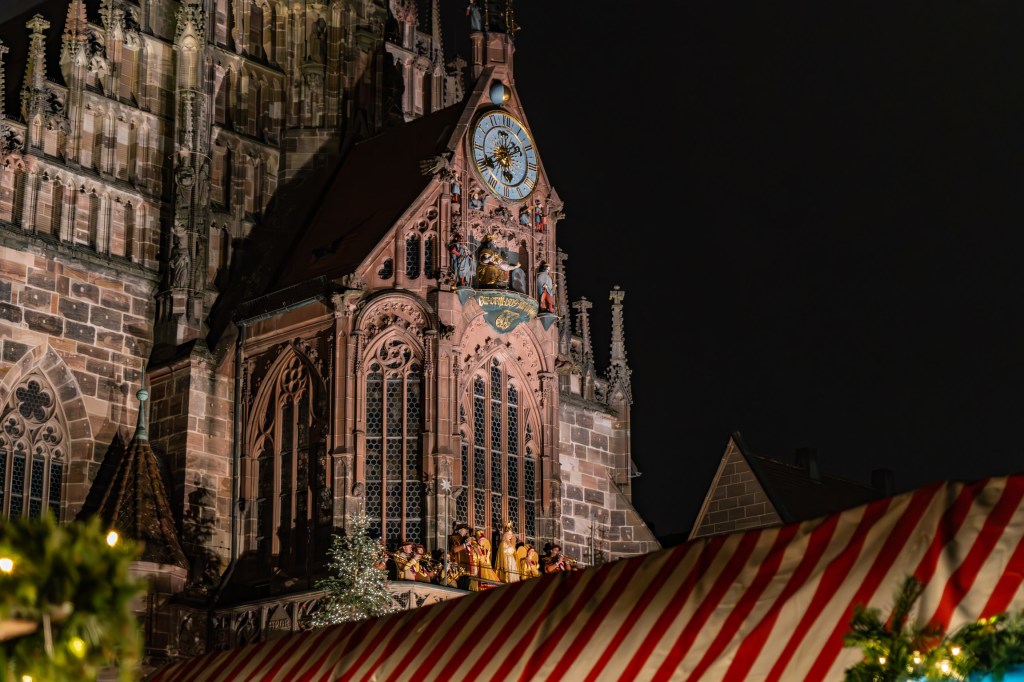
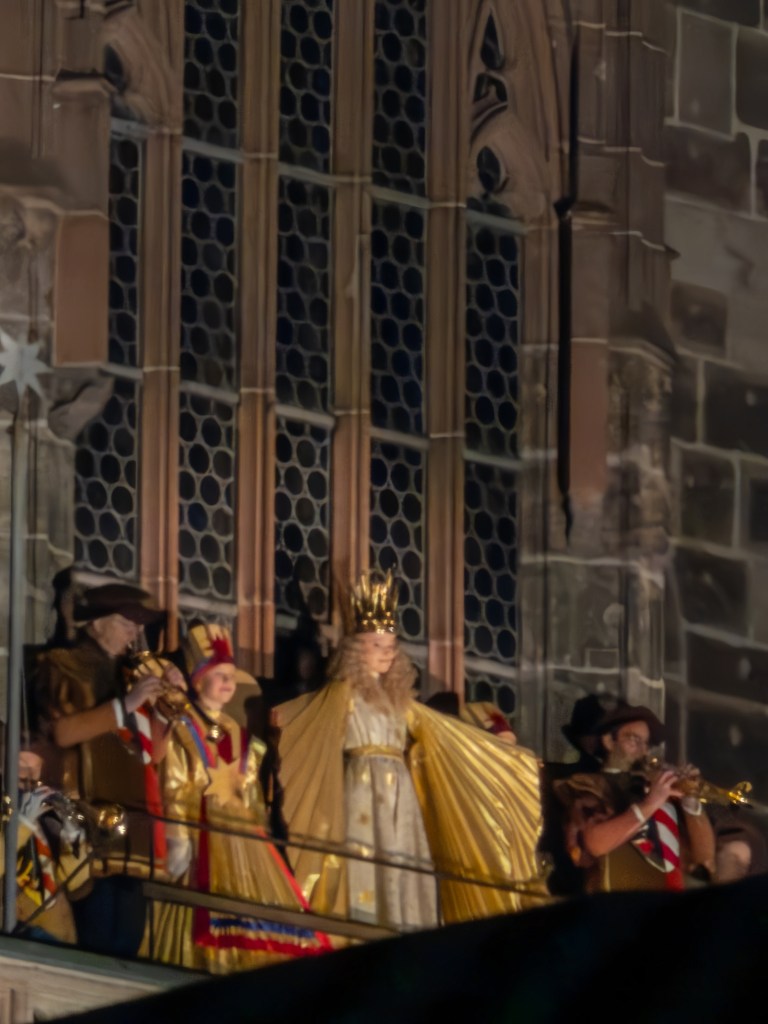
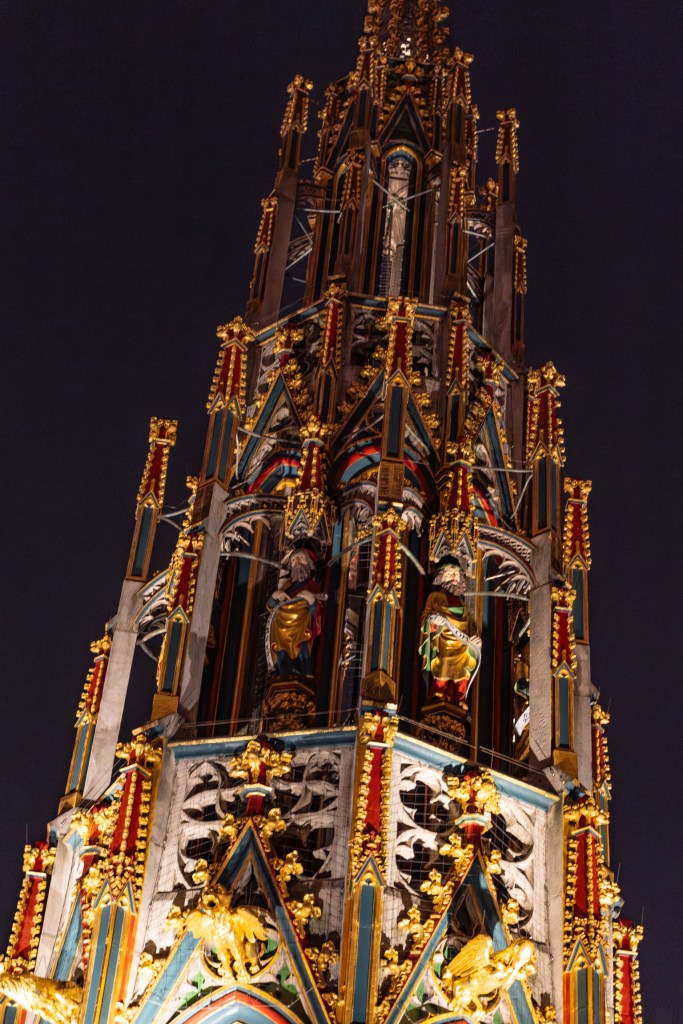
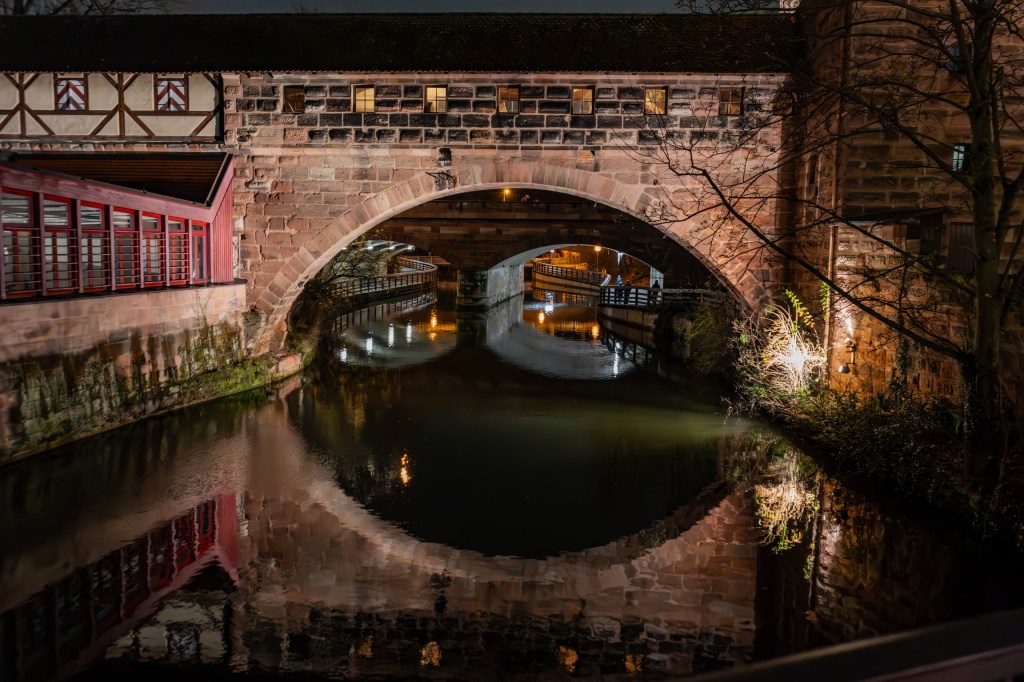
We started our Christmas Market journey with a flight from JFK to Frankfurt. Following a 2 hour train ride where we fought to stay awake, we made it to Nuremberg, Germany which will act as our home base for most of the trip. The Nuremberg Christmas market is world famous and we were fortunate enough to arrive on the opening night. The market has an interesting tradition where a local girl between 16 and 18 is chosen to act as the Christkind (the Christ Child) and officially open the market. She then spends the month of December going around to schools, orphanages, retirement homes, etc. as the face of the Christmas season and is even the one who delivers the presents to the children on Christmas (this all dates back to the Protestant-Catholic division in Germany and wanting nothing to do with St. Nick). After watching the opening ceremony, we returned to our friend’s flat and got to bed early due to jet lag and an early morning the next day.
Salzburg and Hallstatt, Austria (Nov. 29 – 30)
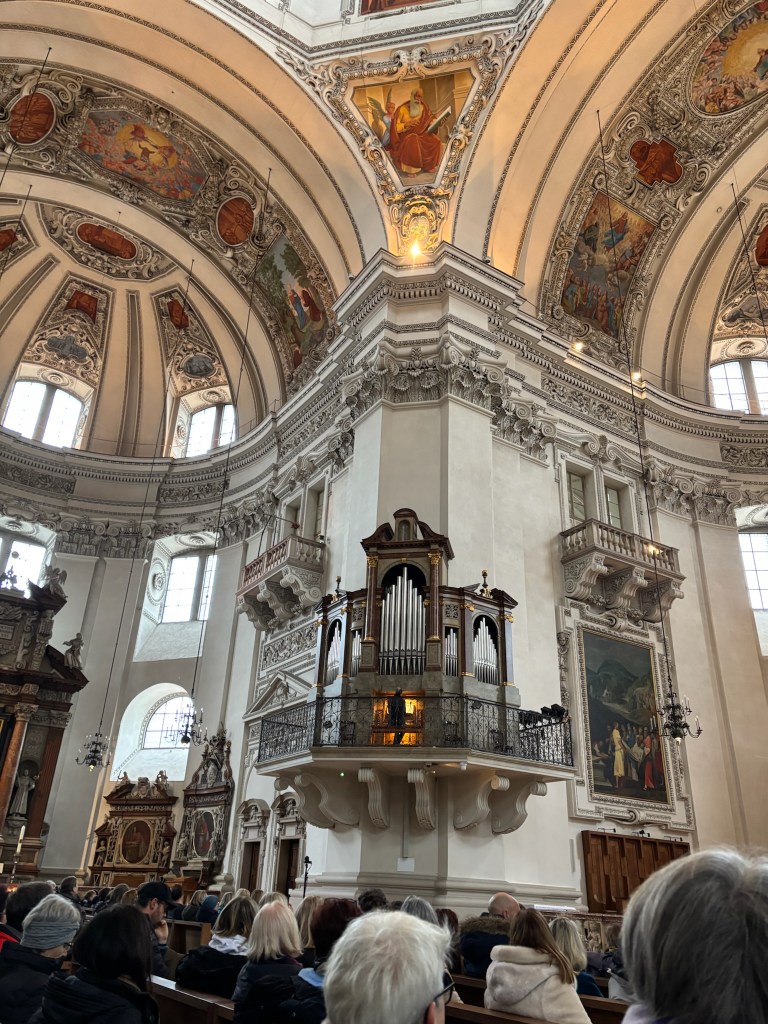
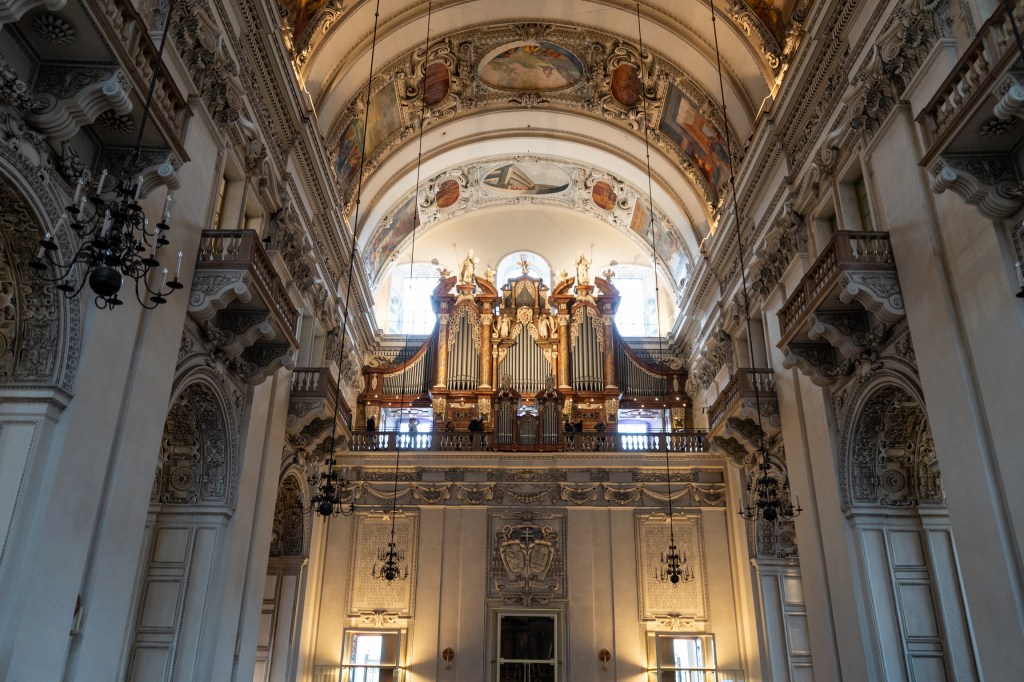
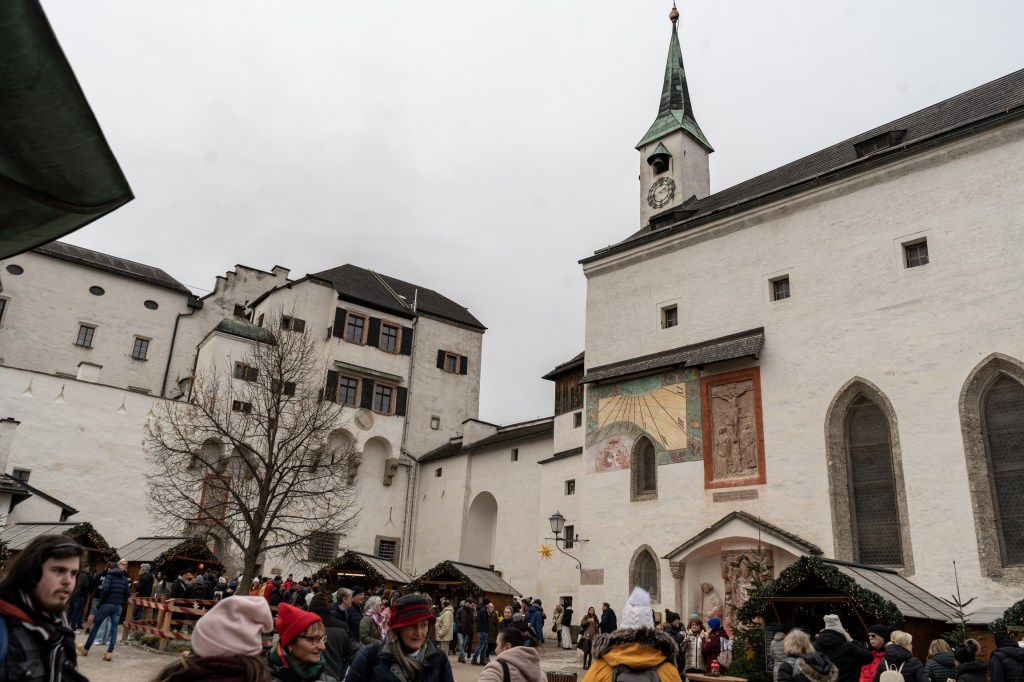
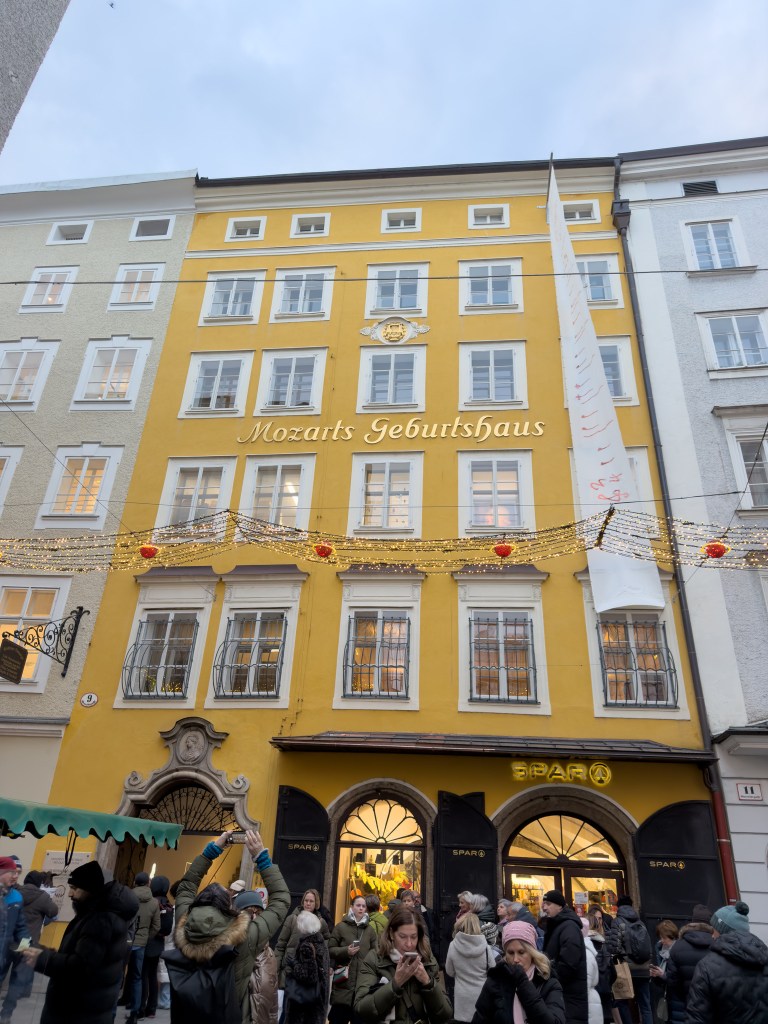
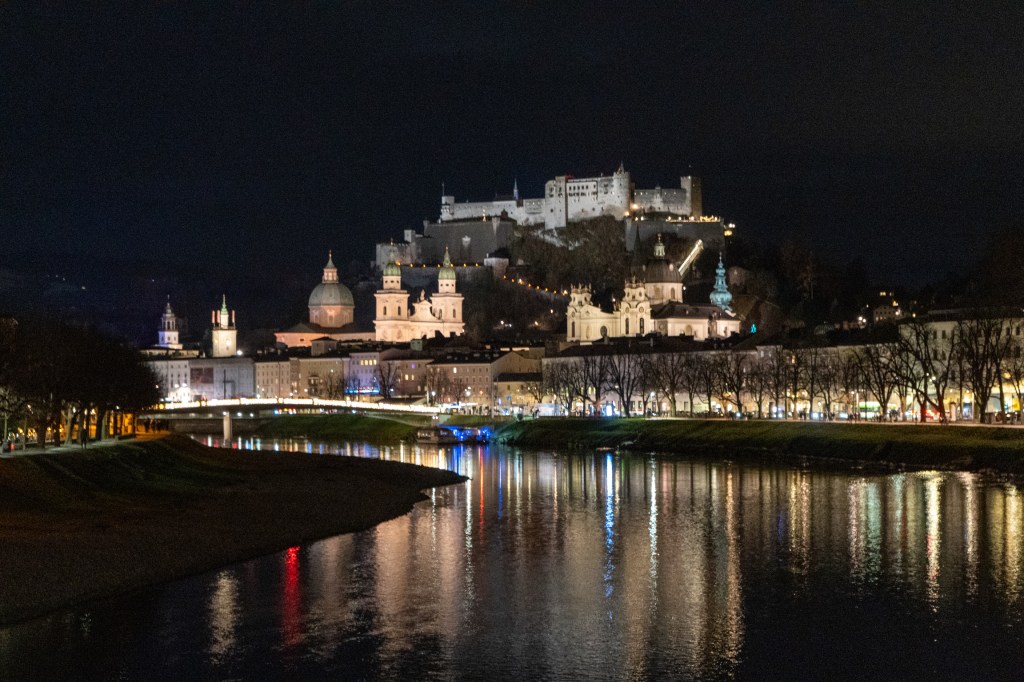
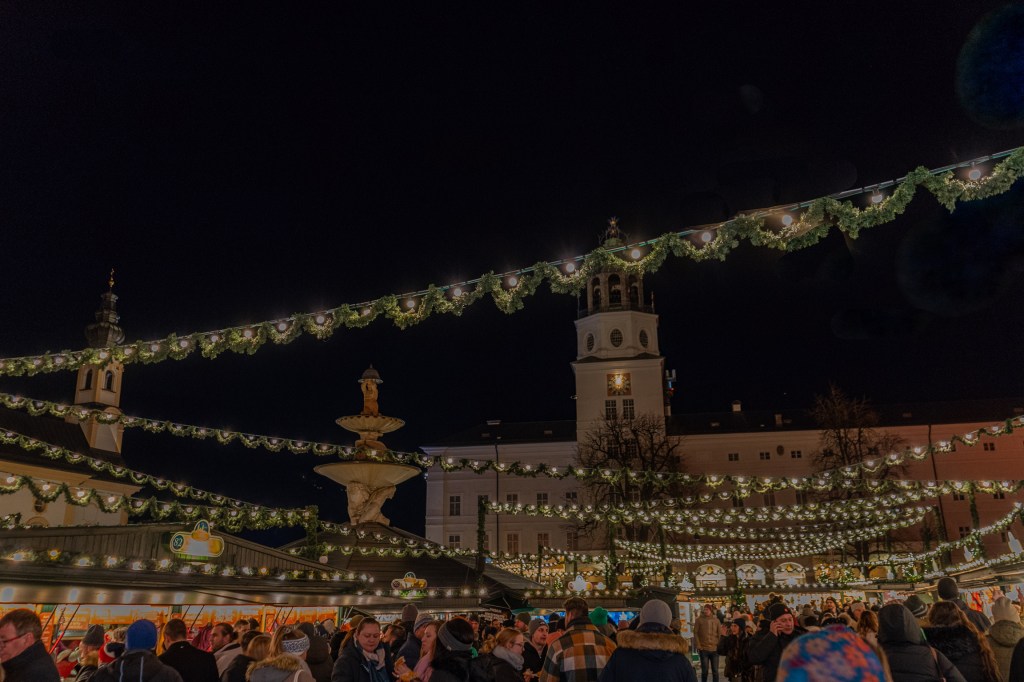
On the morning of Nov. 29th we took an early train from Nuremberg to Salzburg, Austria. Salzburg sits at the edge of the Austrian Alps, providing breathtaking views for someone used to seeing Pennsylvania mountains. Salzburg was the birthplace of Mozart (the yellow building in the photo below), so we went to an organ concert at the Salzburg Cathedral where Mozart once performed. The town was also the home of the Von Trapp family and served as the backdrop for many of the scenes in The Sound of Music, it was fun to wander around the city and recognize areas from the movie! Hohensalzburg is a medieval castle that sits above the city and provides breathtaking views of the surrounding town and mountains. We ended the night at the Salzburg Christmas Market with some hot chocolate, Feuerzangenbowle (mulled wine with rum), and delicious pastries!
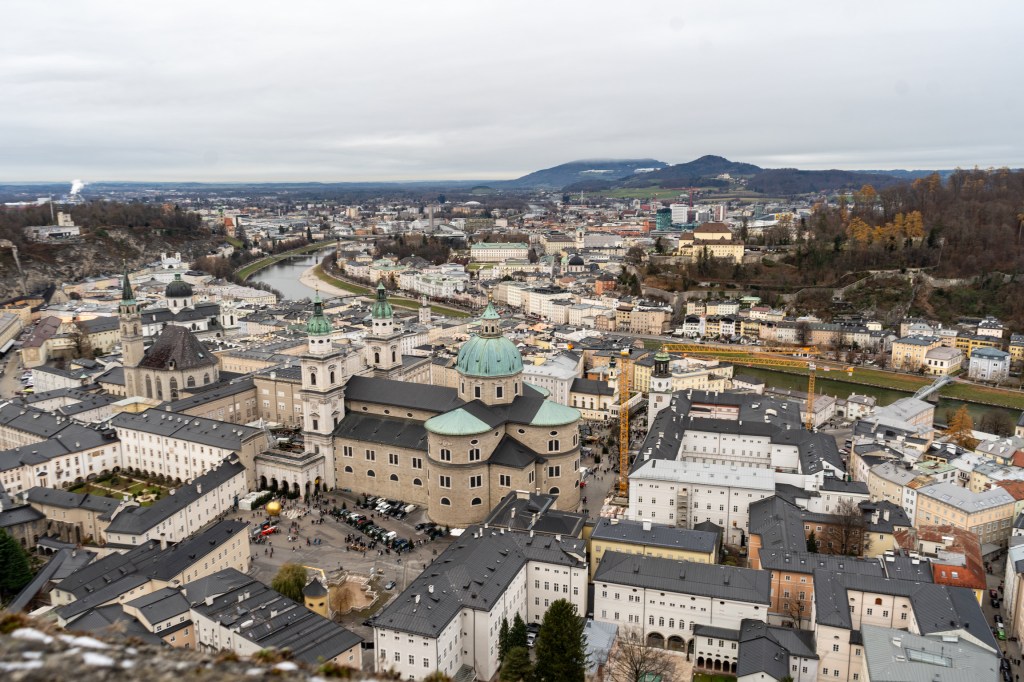
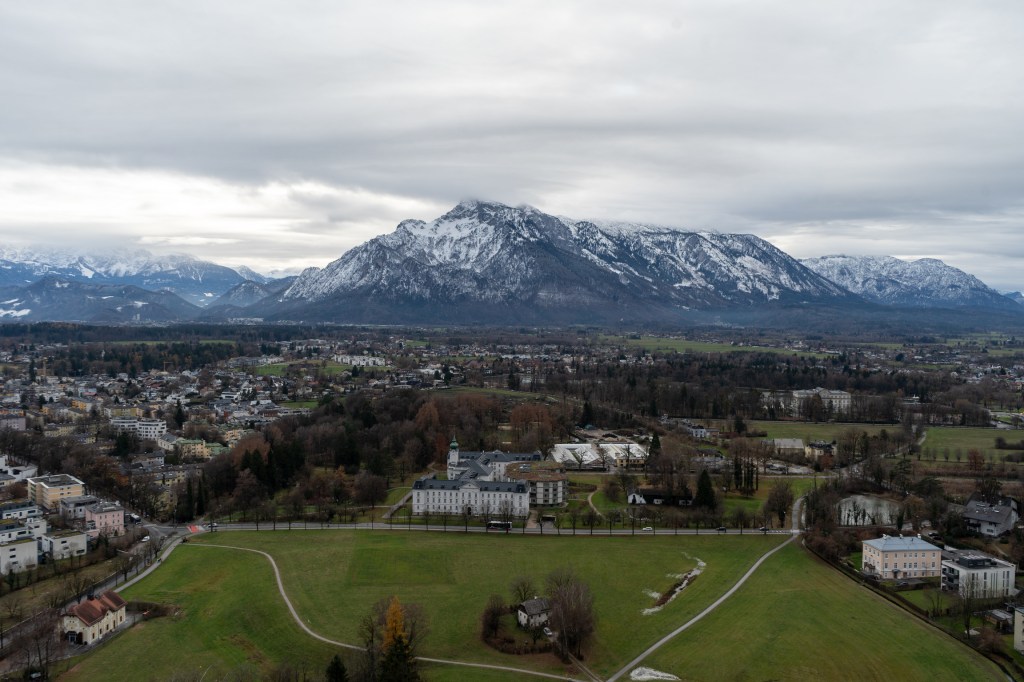
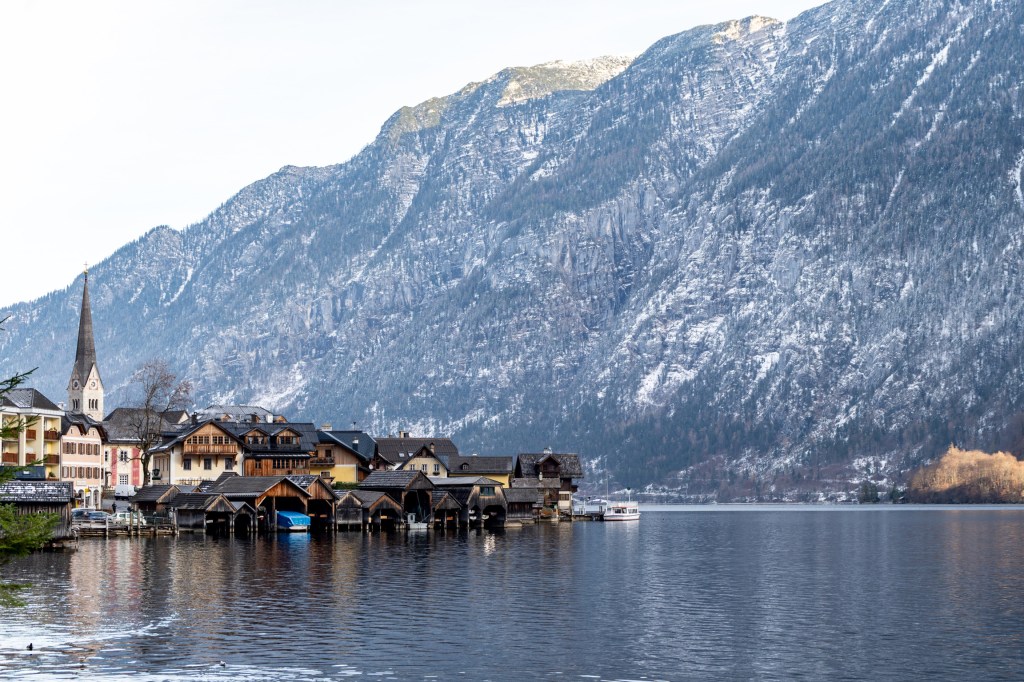
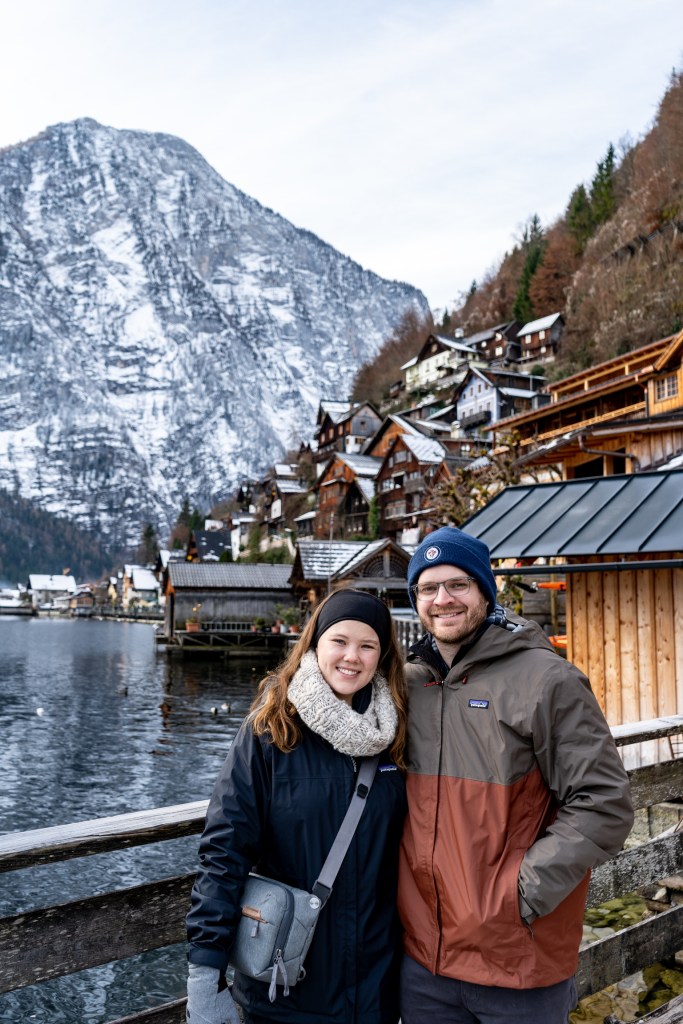
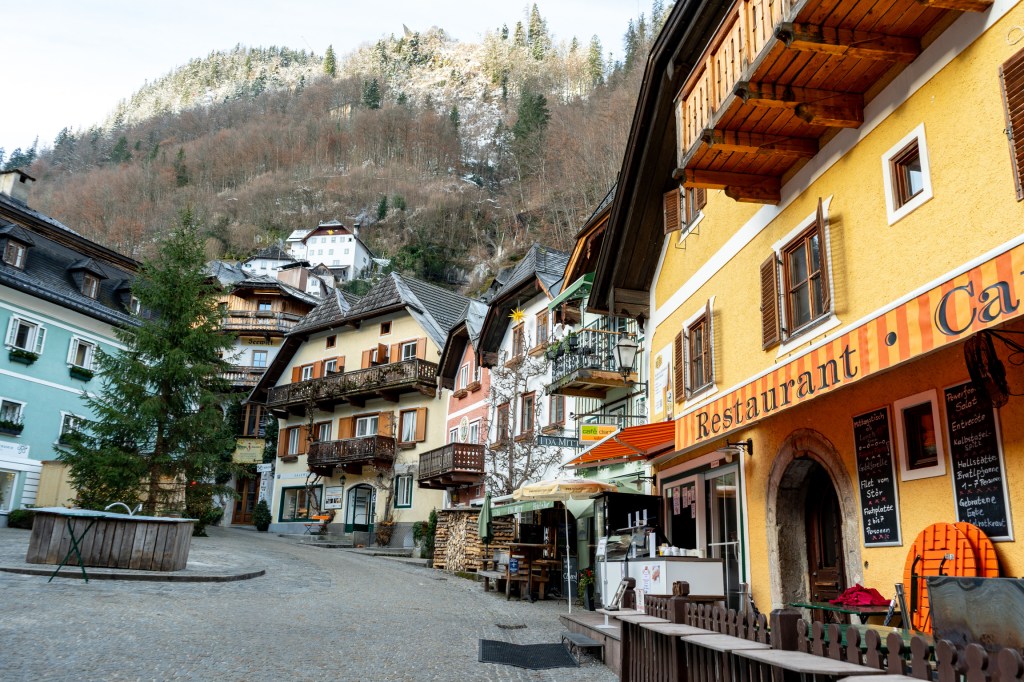
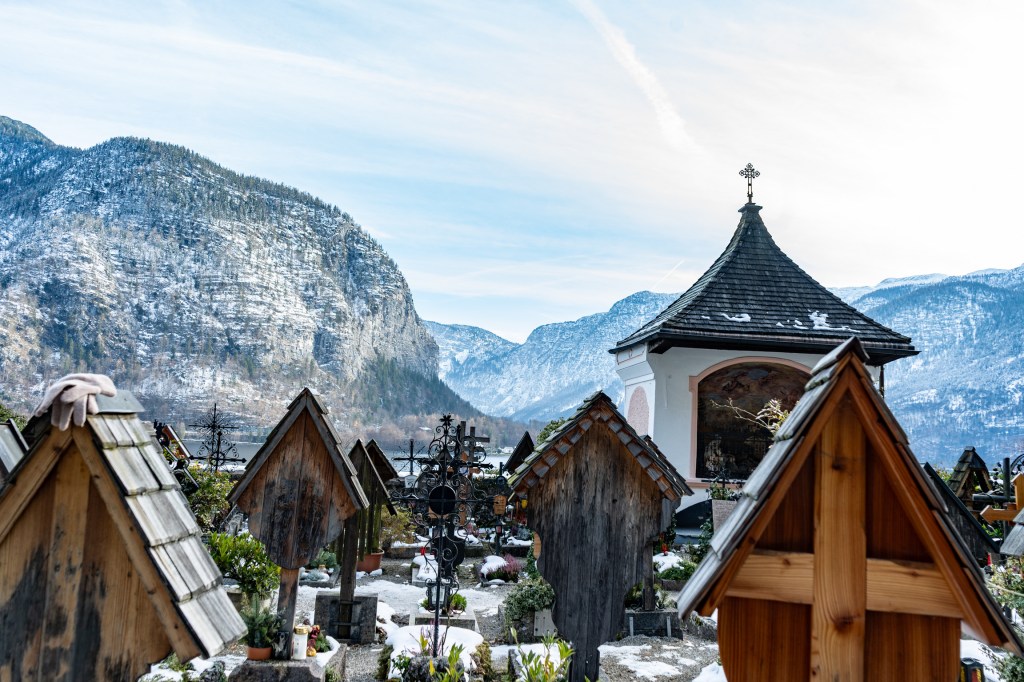
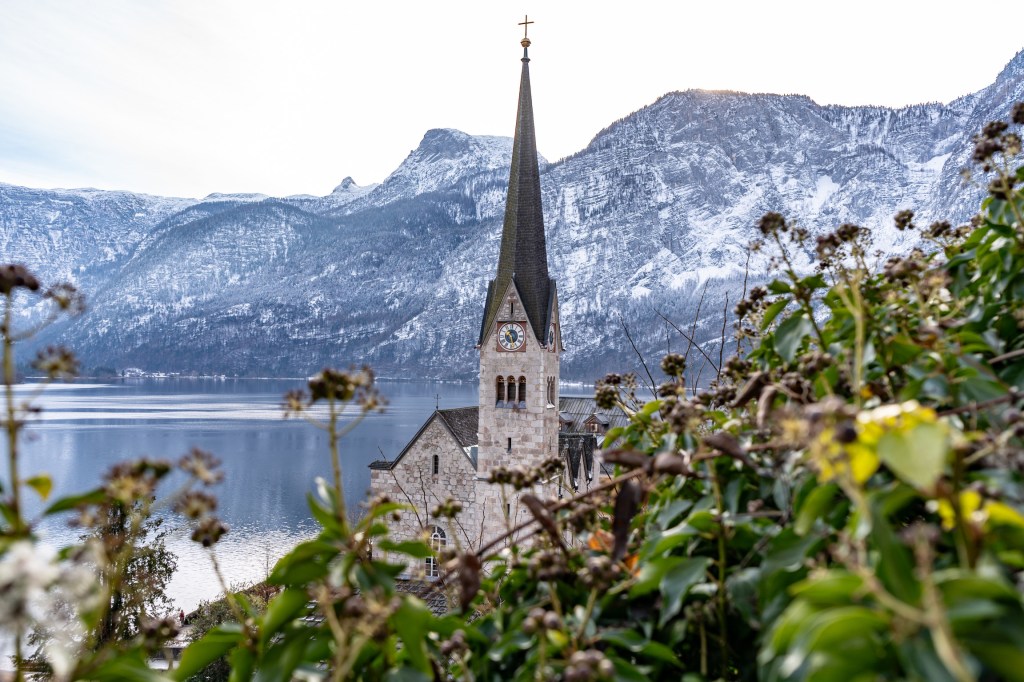
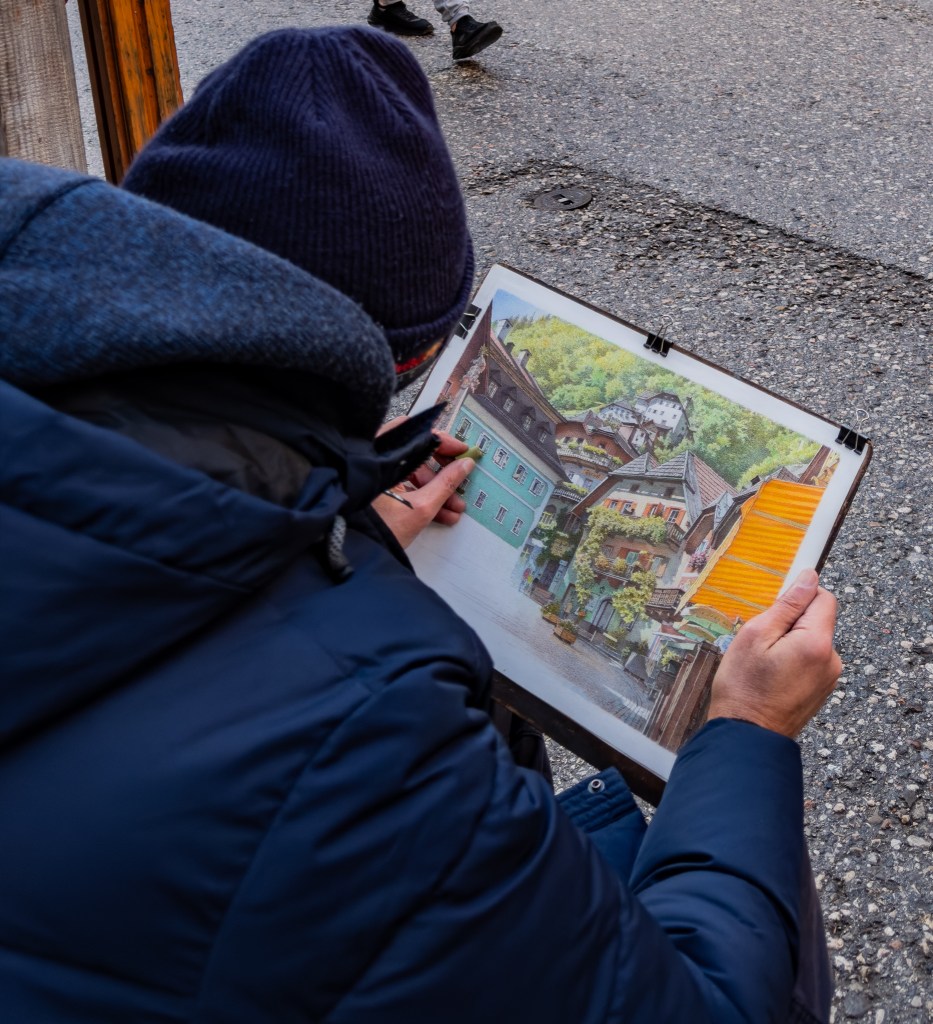
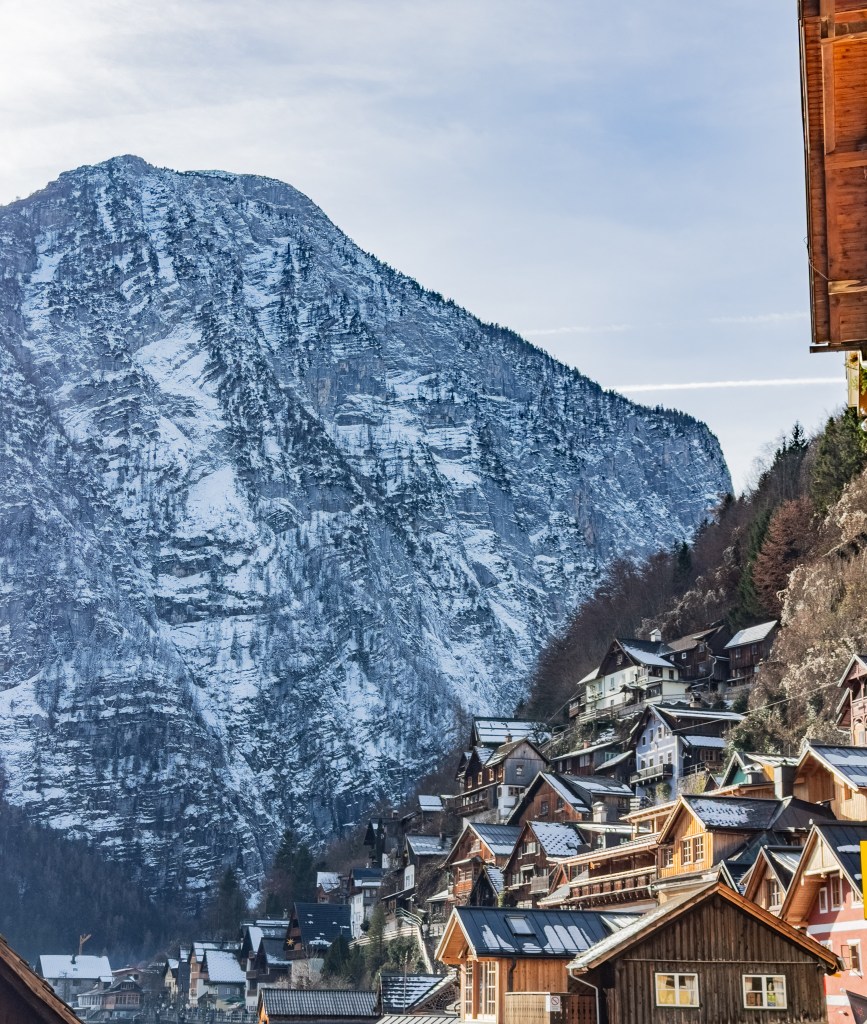
The next day we took a short bus ride out of Salzburg and headed to Hallstatt, a beautiful small town nestled in the Austrian Alps. Along the way, we passed the world headquarters of Red Bull, which we were surprised to learn was founded in Austria. The town of Hallstatt is the site of the world’s oldest salt mine: it is believed that mining began around 7,500 years ago. Despite being a relatively small town, Hallstatt had an outsized economic impact on Europe between 1,200 – 650 BC. We wandered the streets of the town, taking pictures that do not do justice to the beauty of the region (looking back, the photos look fake)! We took the bus back to Salzburg and then hopped on a train back to Munich.
Munich, Germany (Nov. 30 – Dec. 1)
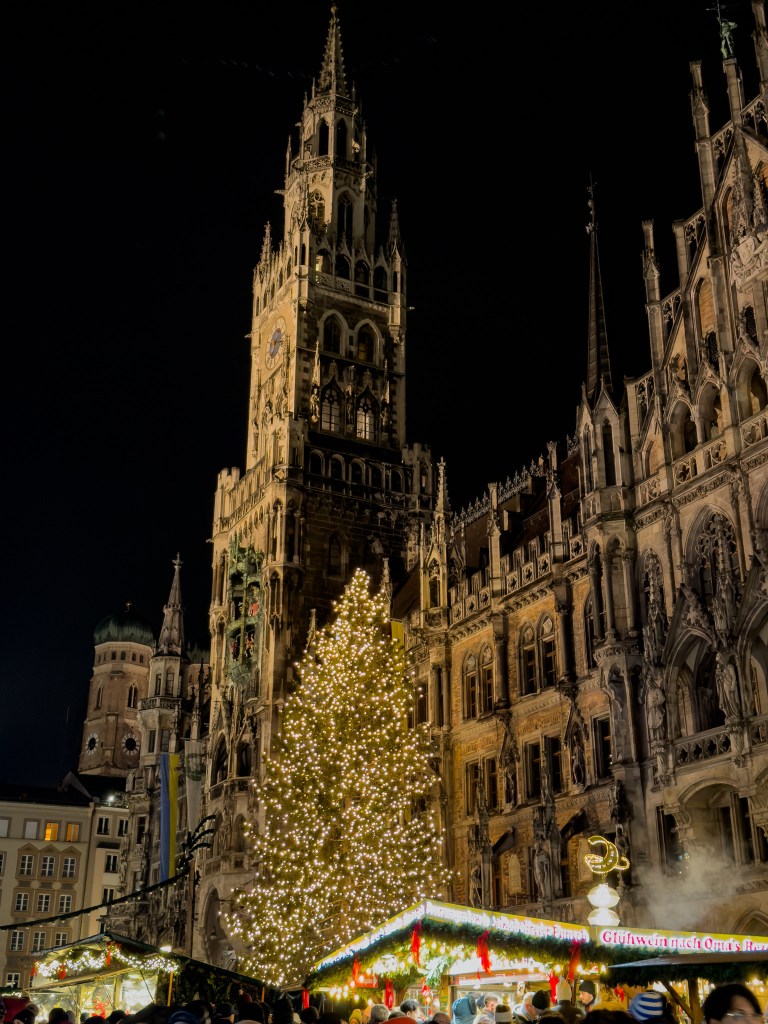
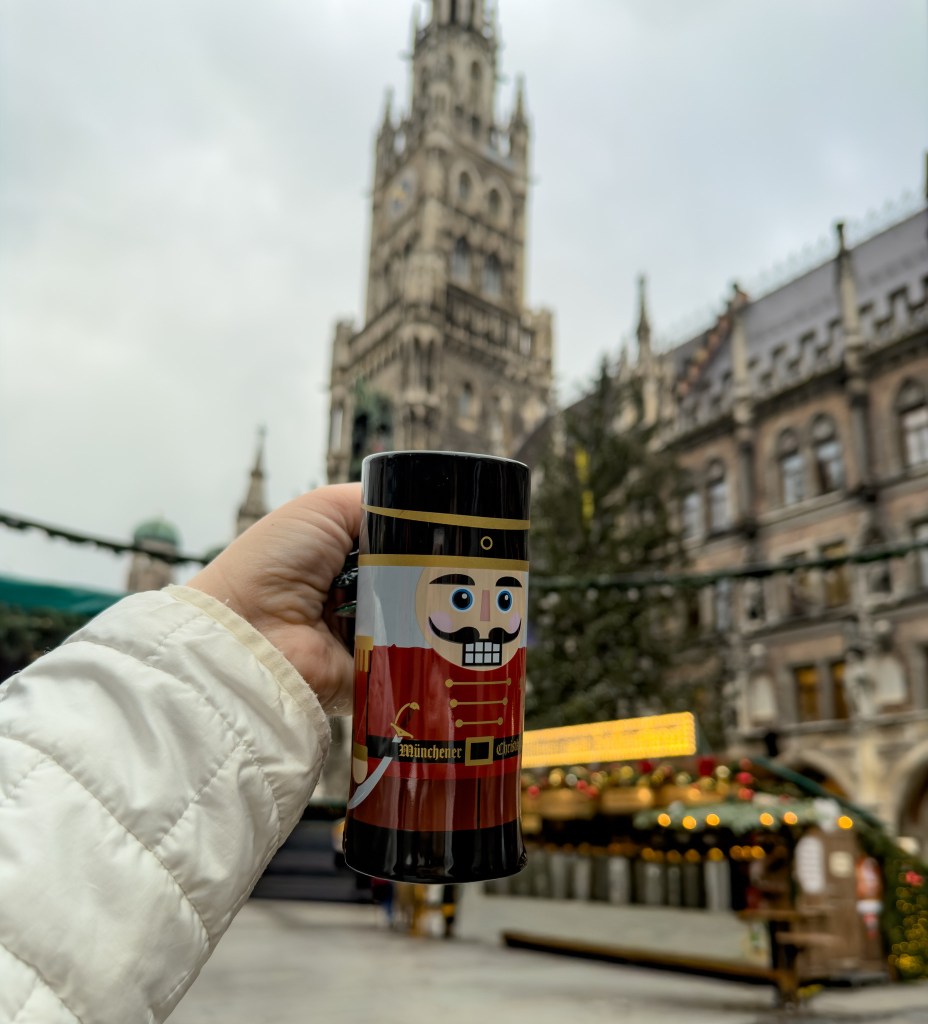
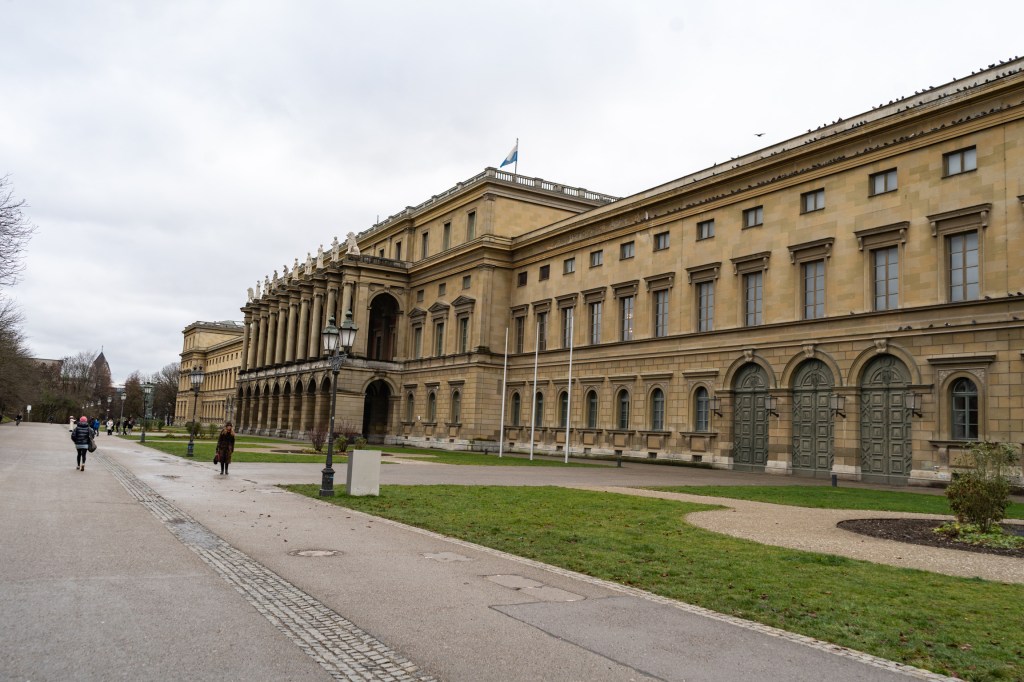
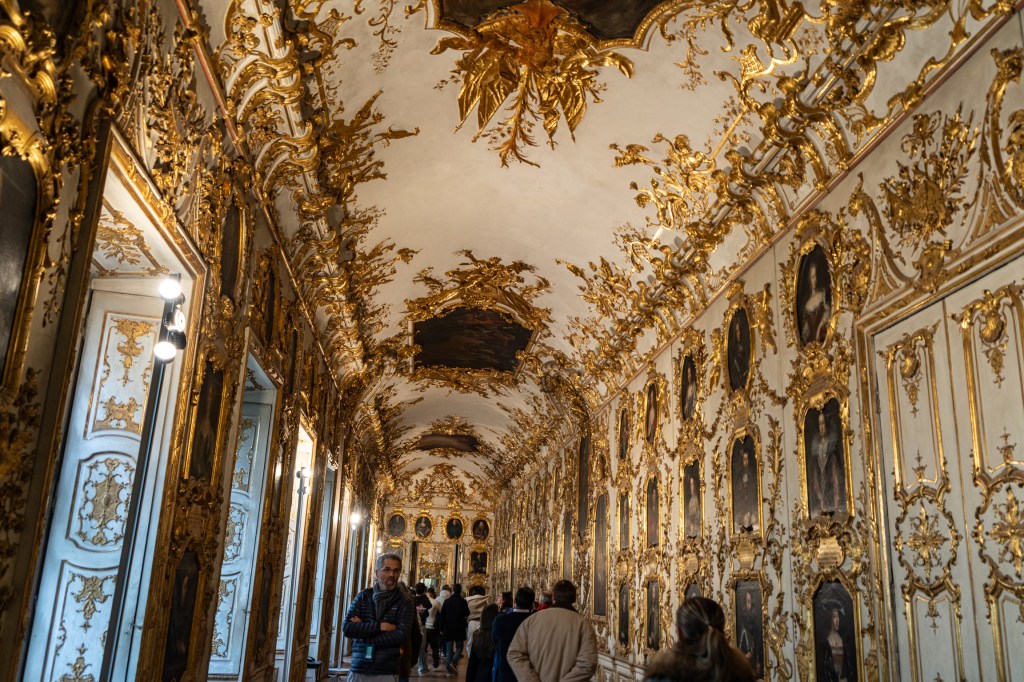
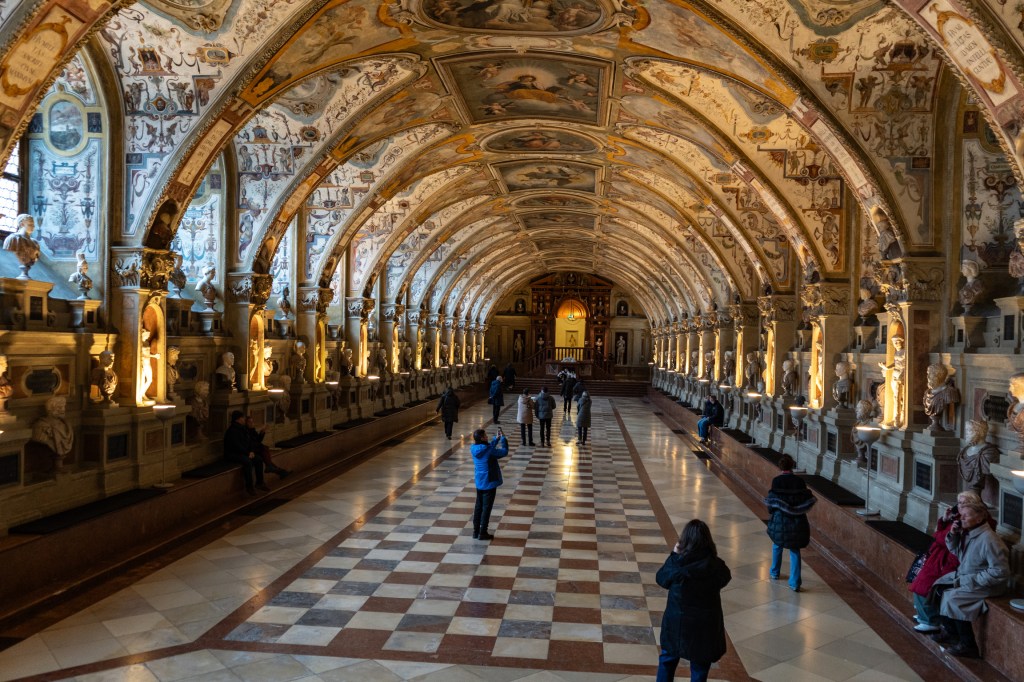
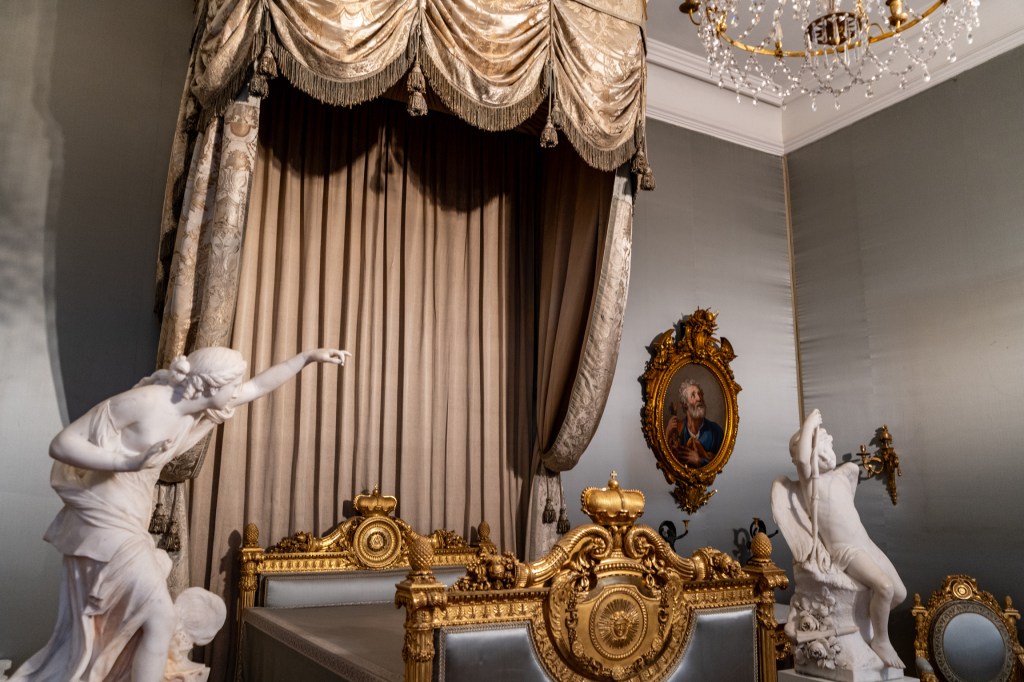
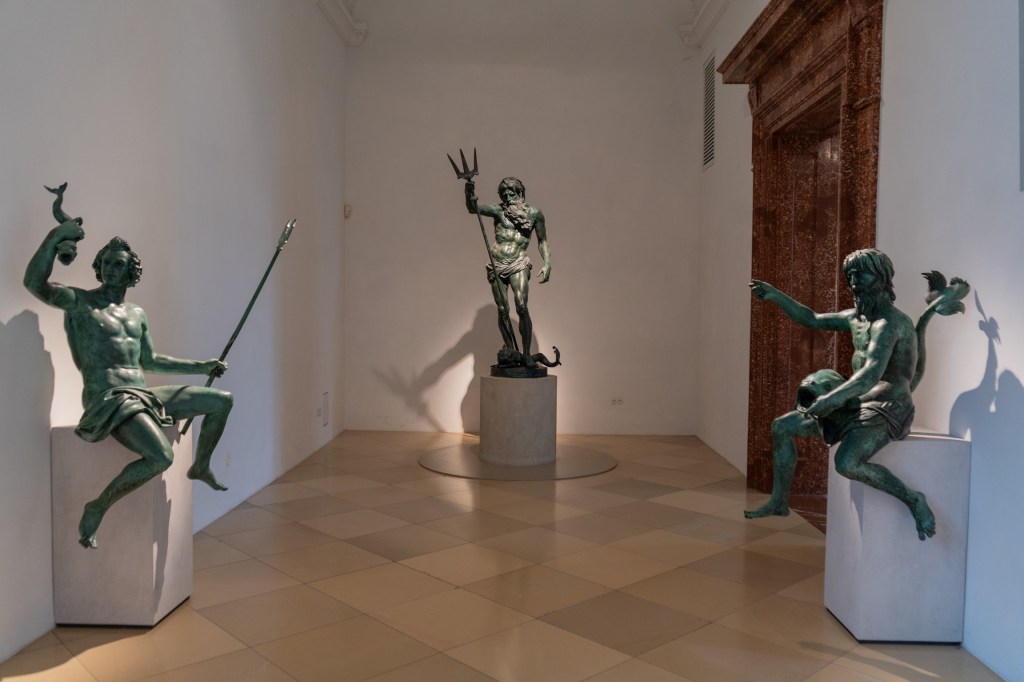
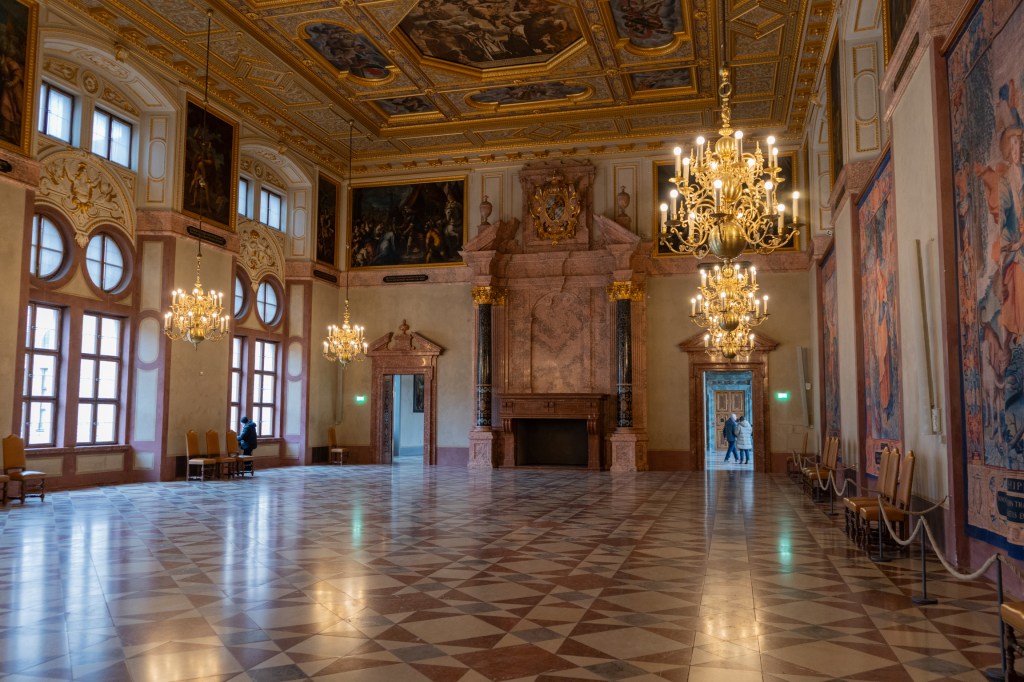
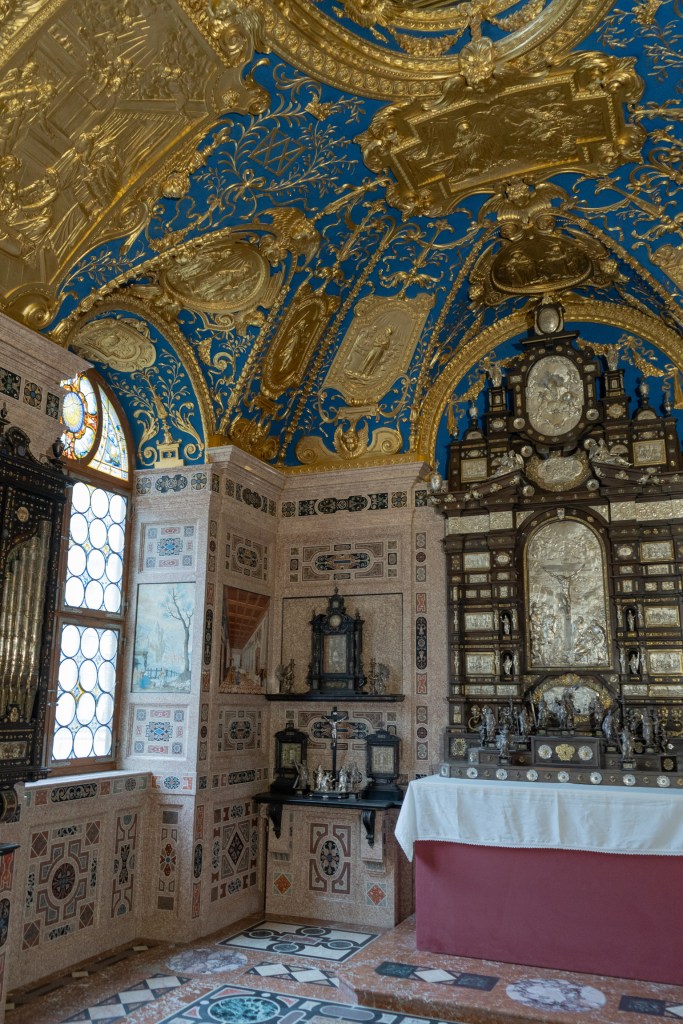
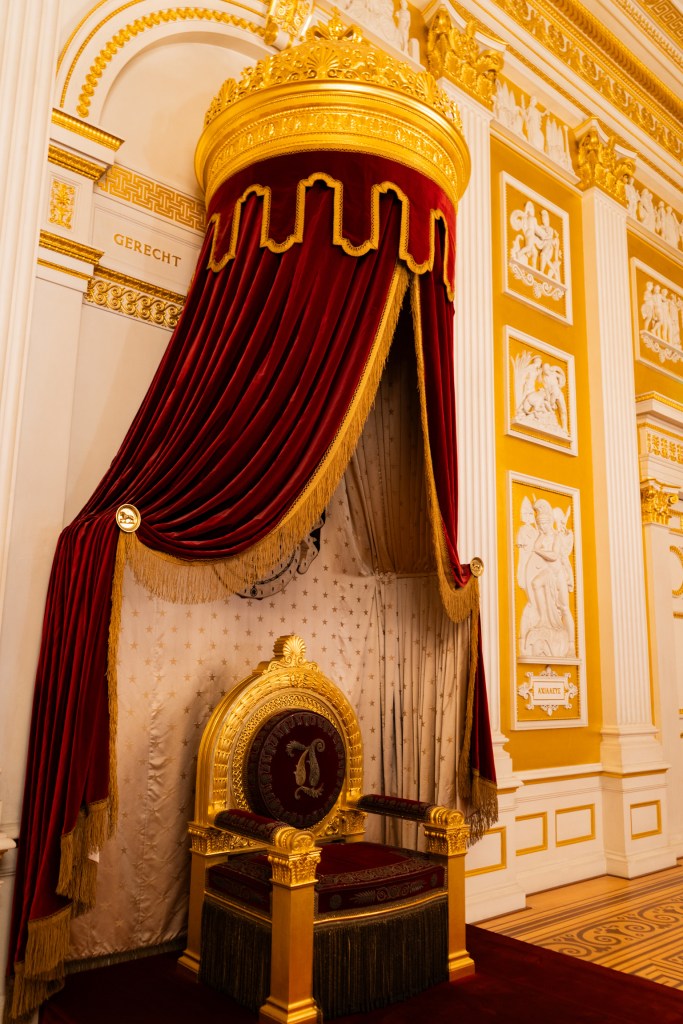
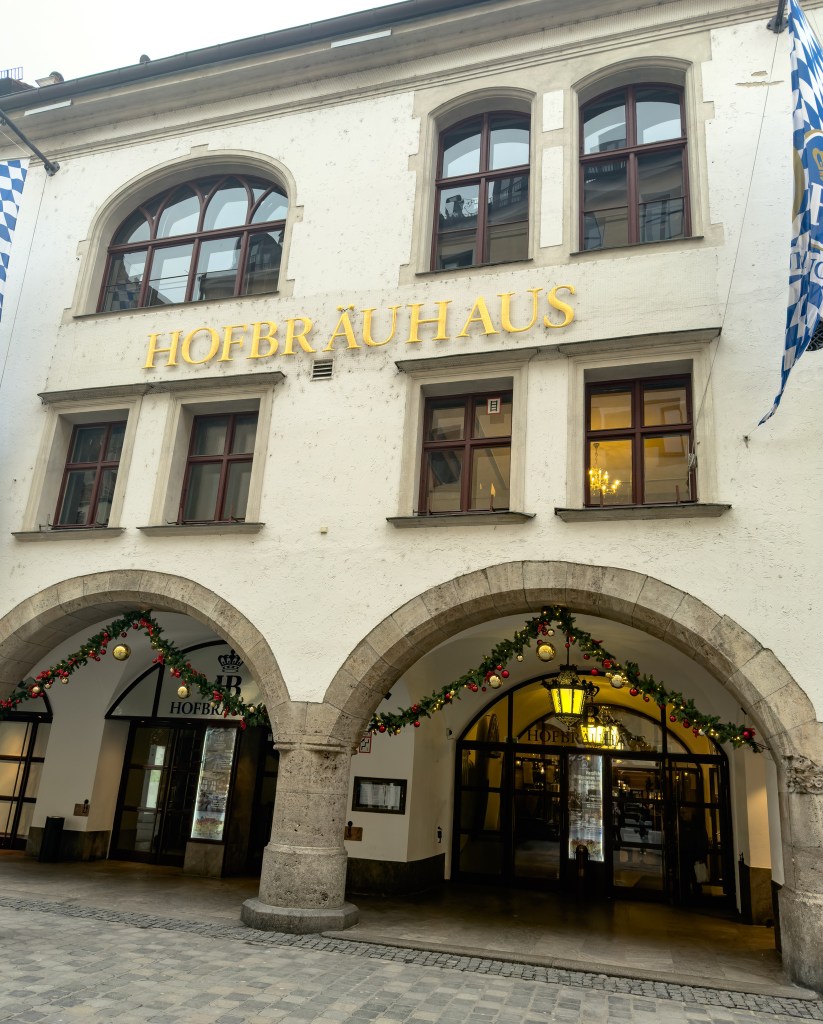
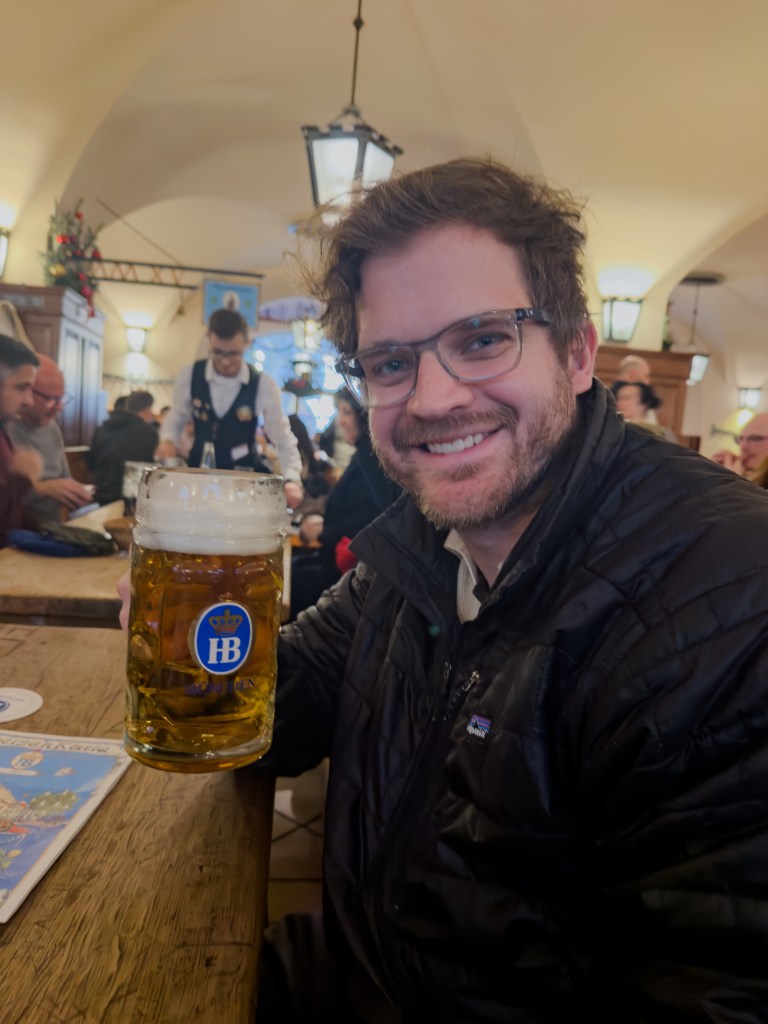
We arrived to Munich and made our way to the Christmas Market. The next day we explored some of the sights around the city. We had some breakfast at the market and then went to the Munich Residence. The Residence acted as the seat of government and palace of the Bavarian region for 400 years. It is very similar to Versailles, with countless rooms filled with stunning art and furniture. The Bavarian royalty were avid fans of bronze sculpture and sponsored some of the most famous artists of the time to perfect the challenging sculpting and casting technique. After the Residence we made our way to the Hofbräuhaus, one of the most famous brew houses in all the world. We had the obligatory beer and pretzel and made some friends with the patrons across the table. At the end of the day we got on the train back to Nuremberg, which acted as our base of operations for our day trips the next week.
Würzburg, Germany (Dec. 2)
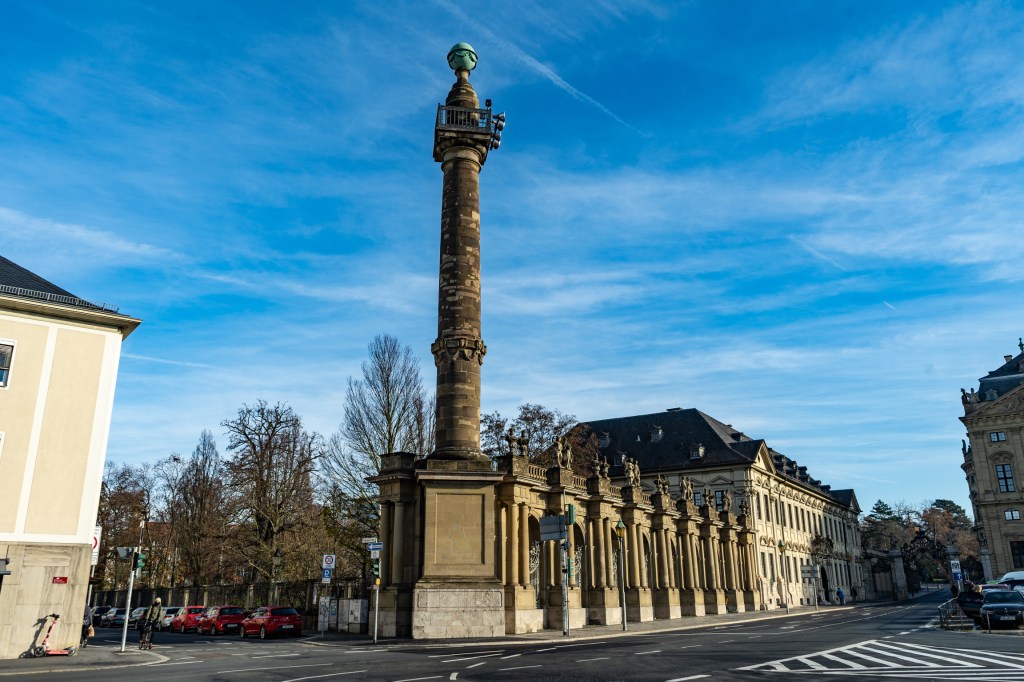
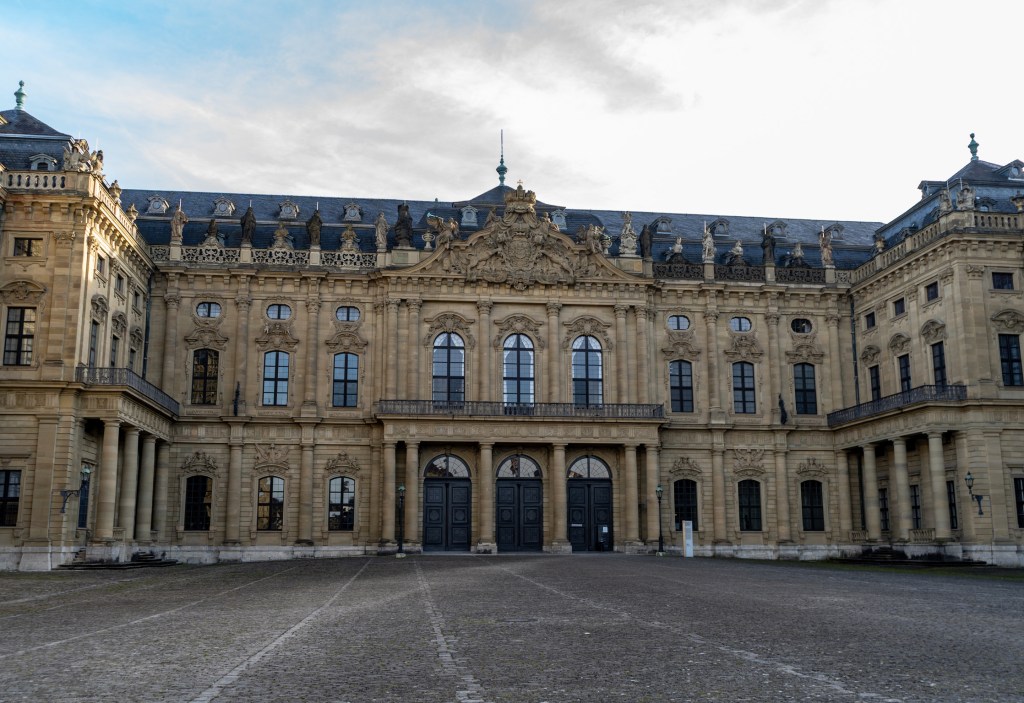
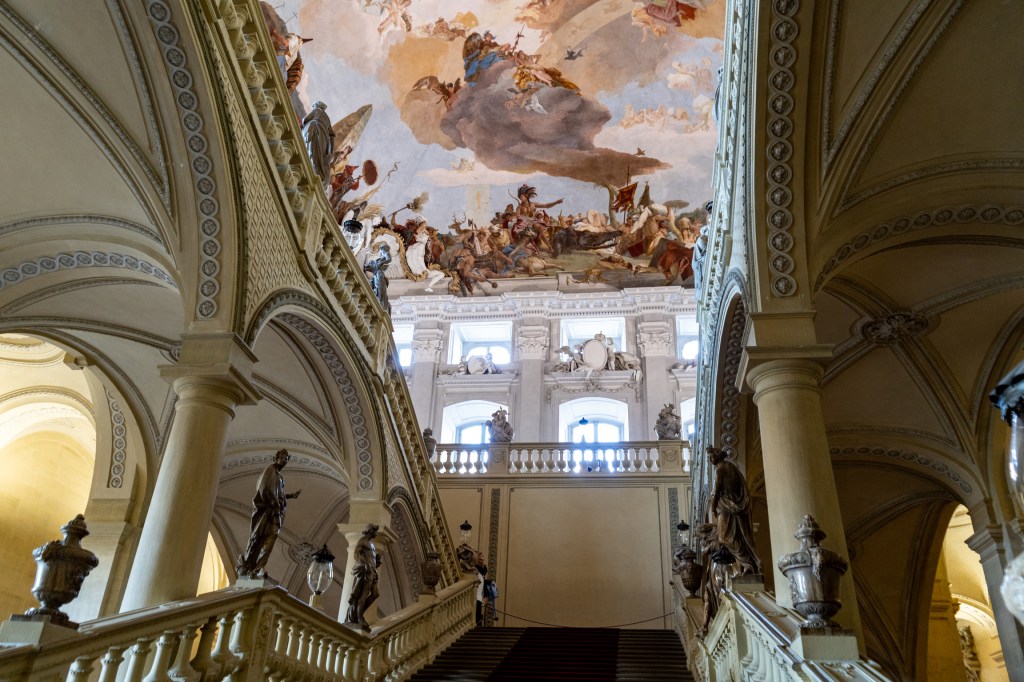
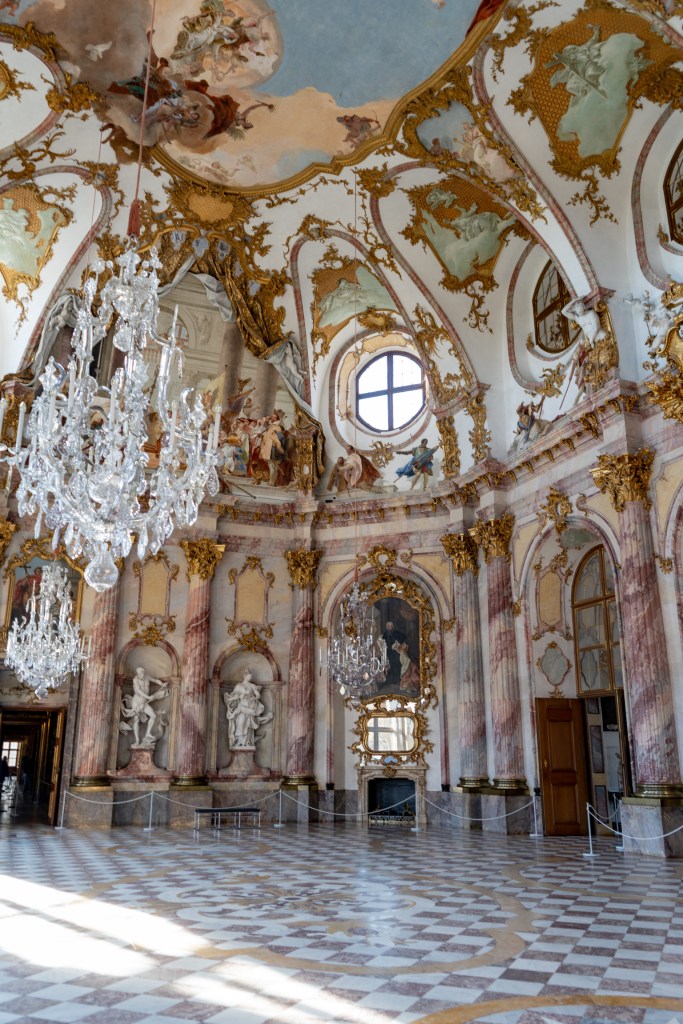
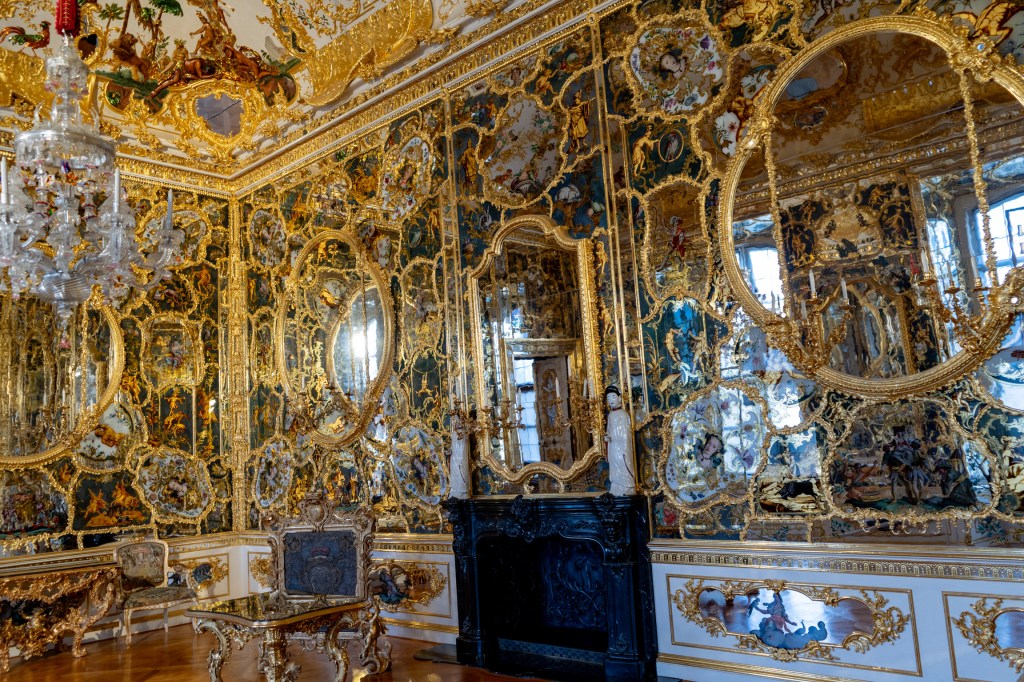
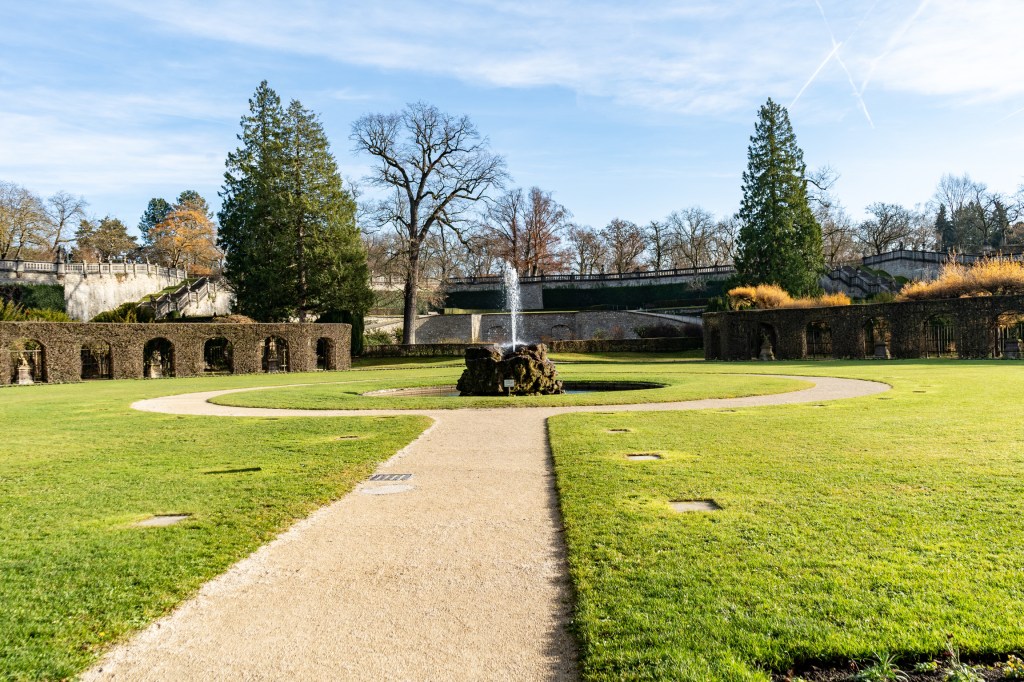
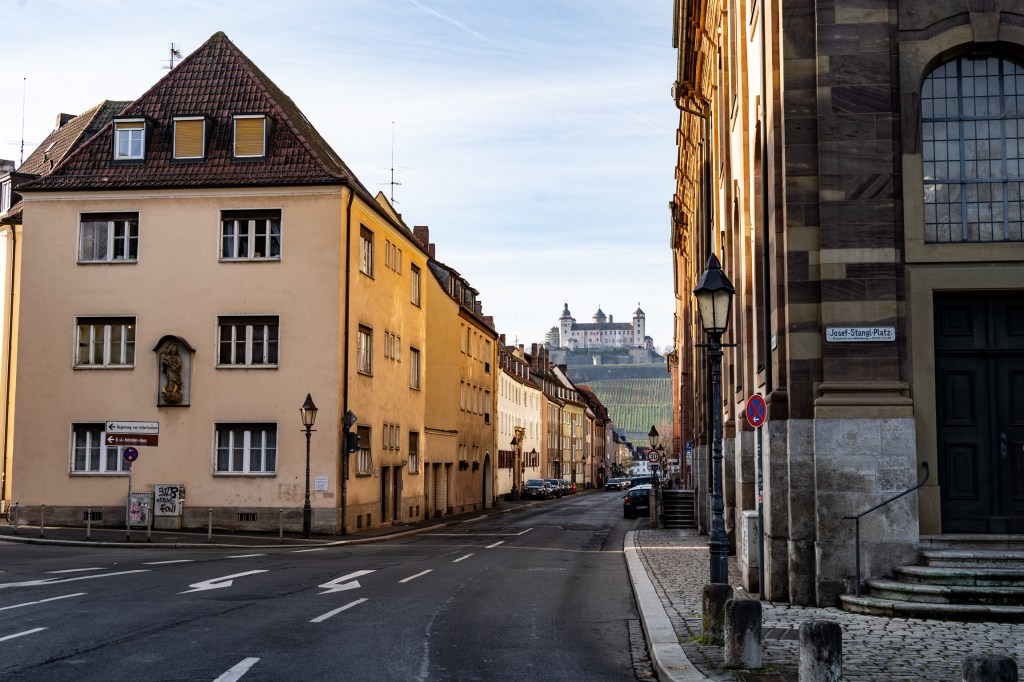
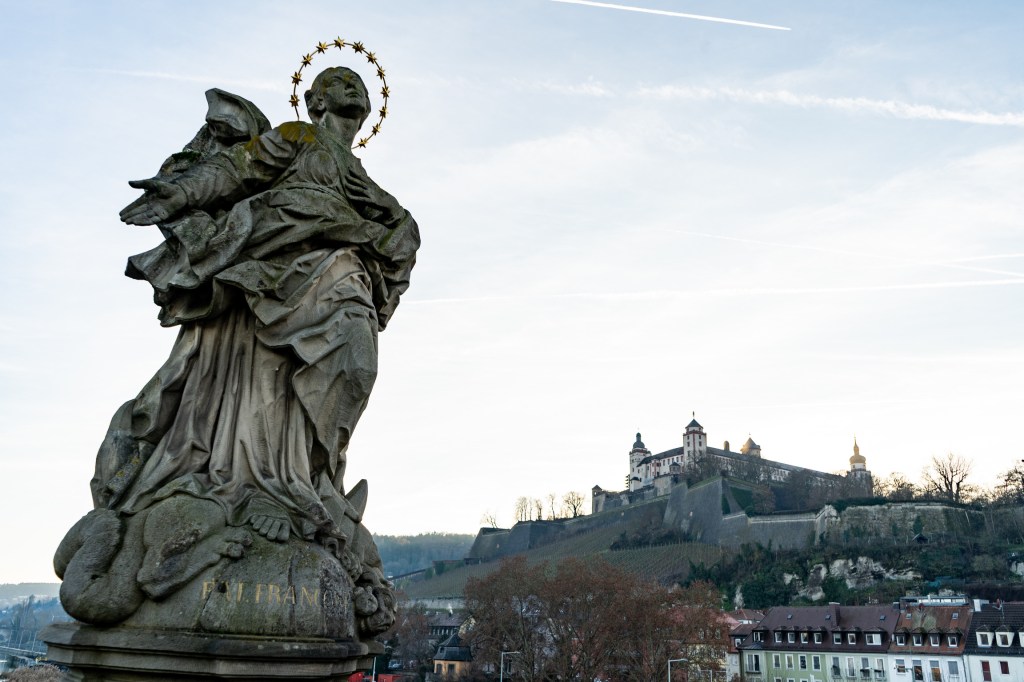
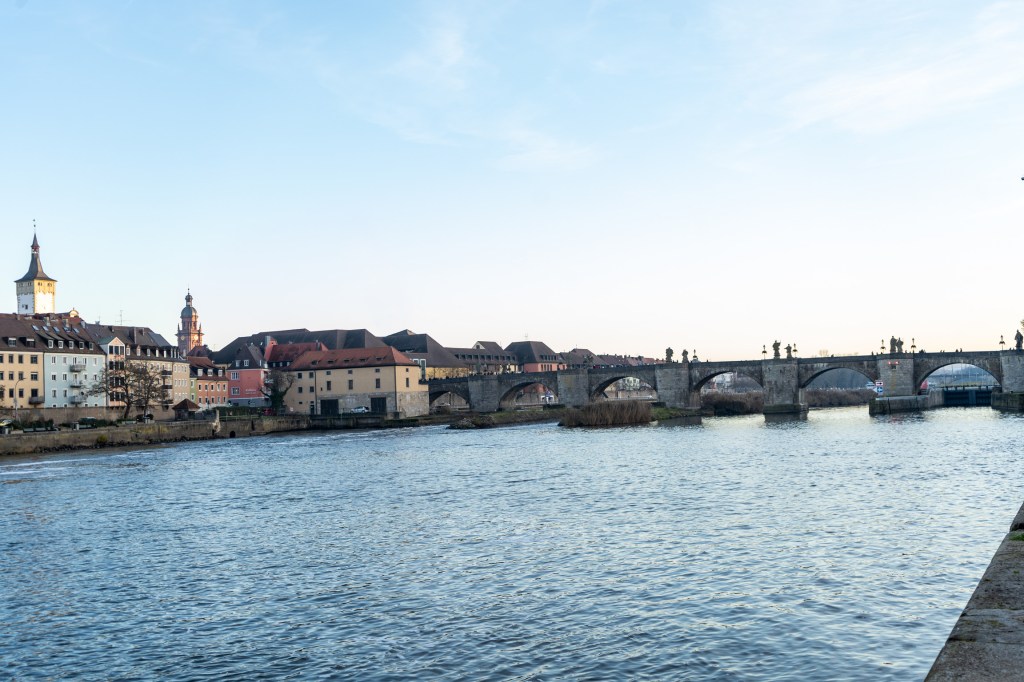
Our first day trip was to Würzberg. Like Munich, Würzberg has a Residence similarly filled with amazing art and furniture. Walking through the streets provided beautiful views of the fortress sitting above the city. We strolled across the Old City Bridge and along the river.
Regensburg, Germany (Dec. 3)
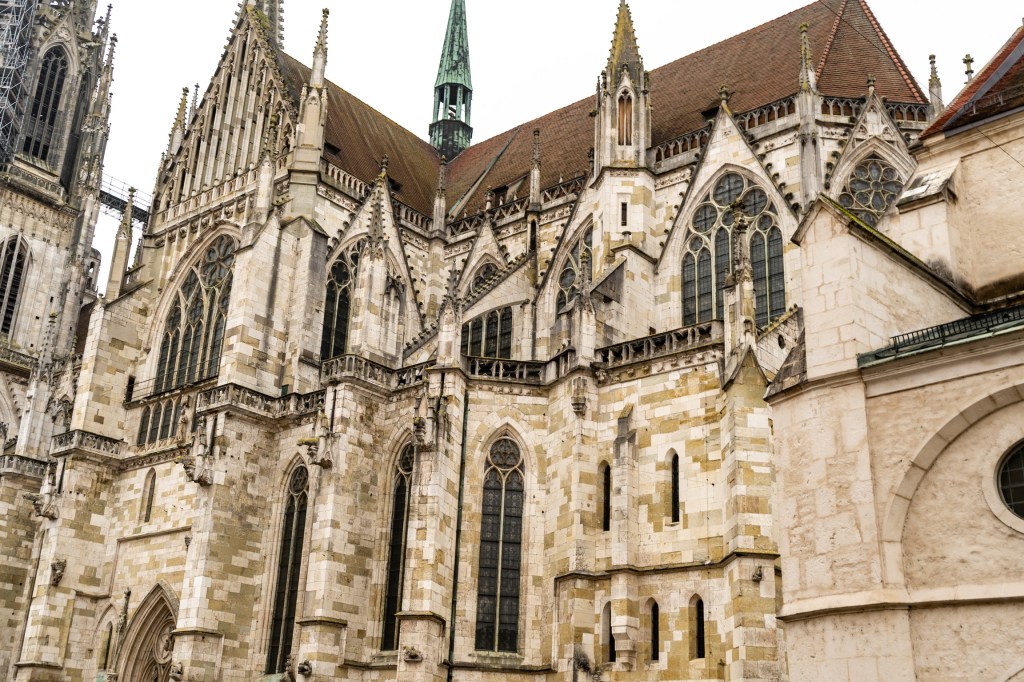
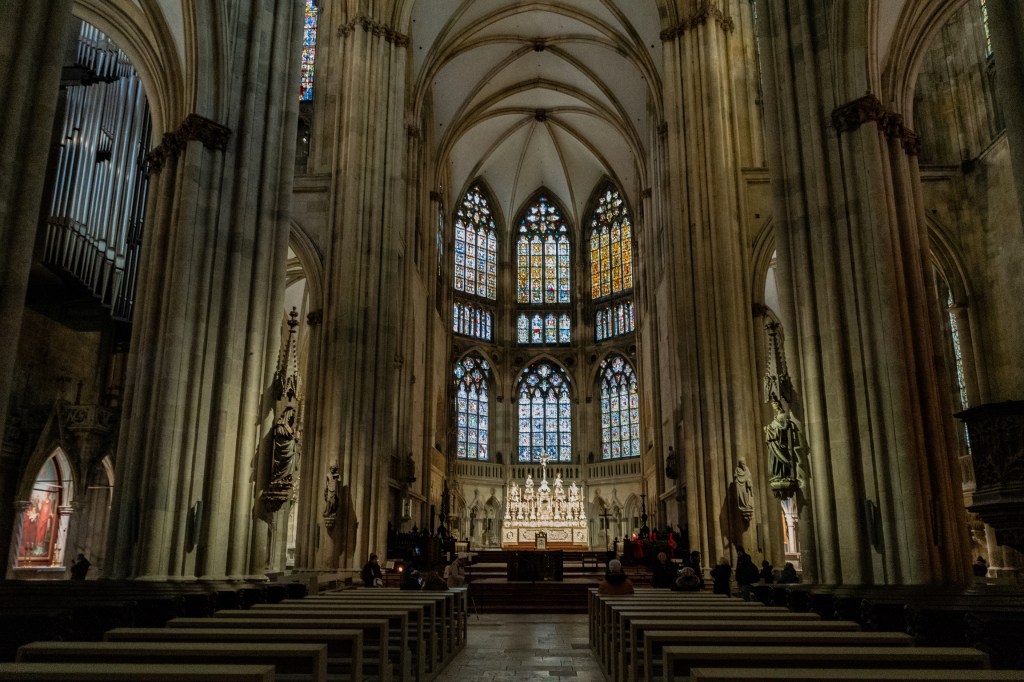
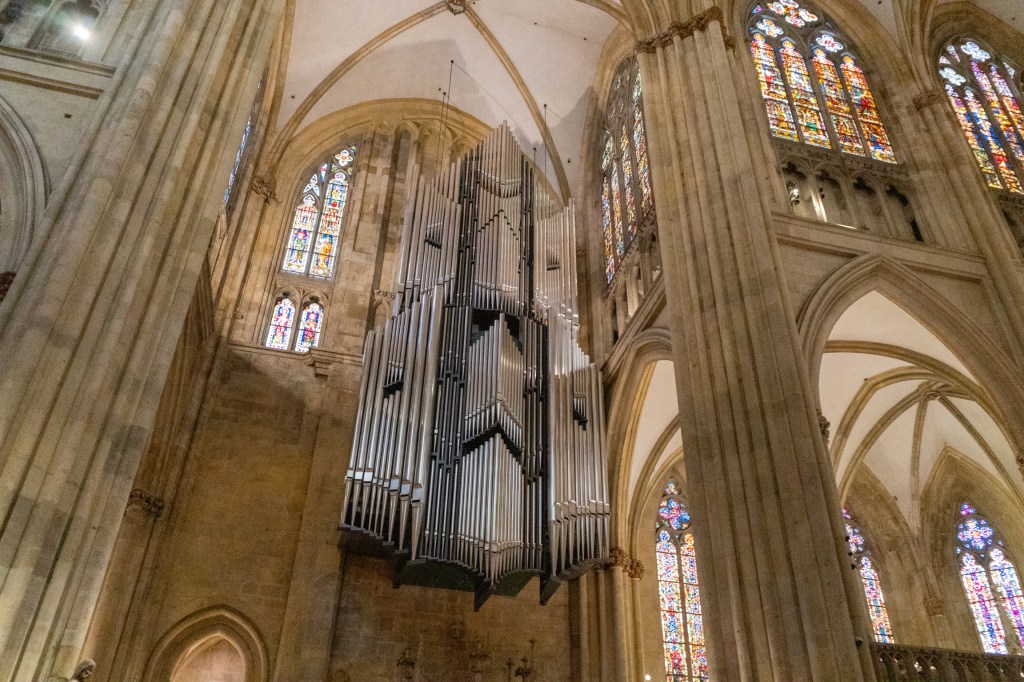
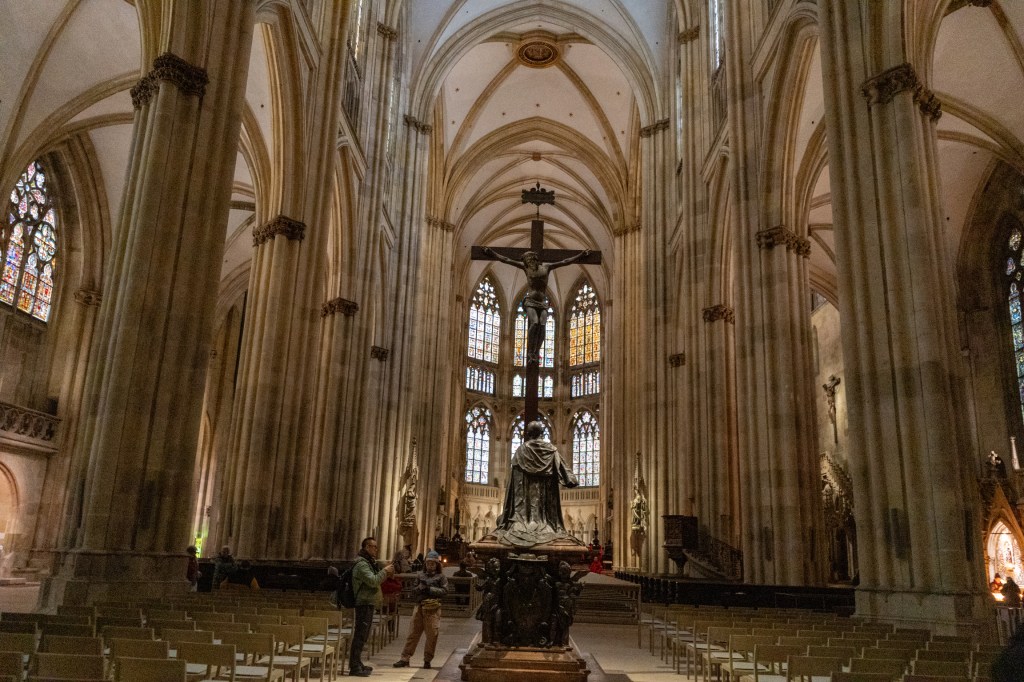
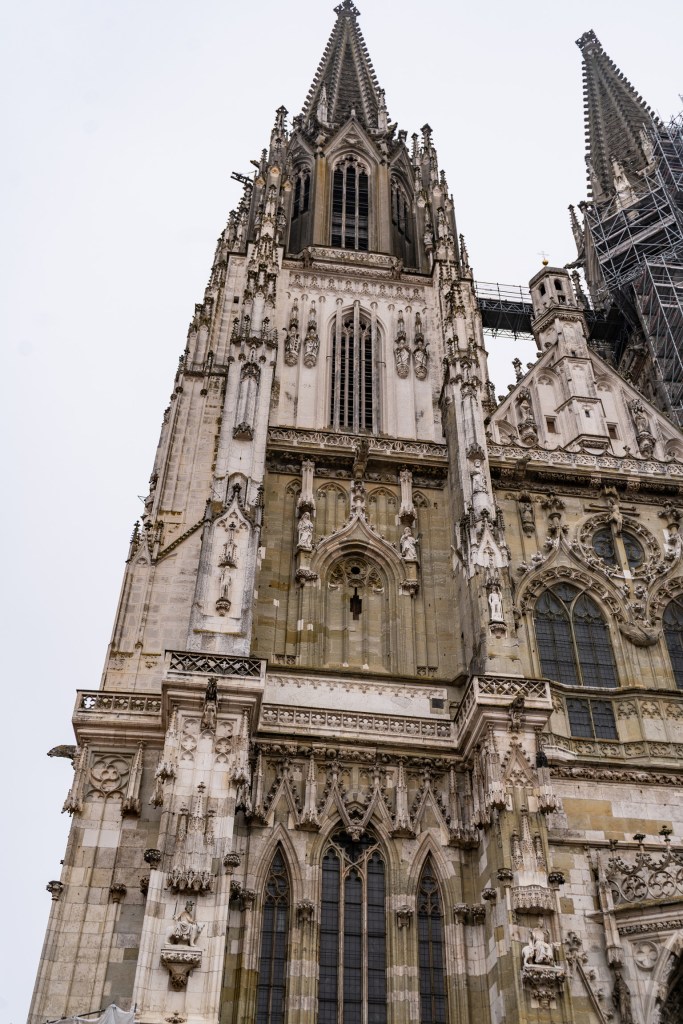
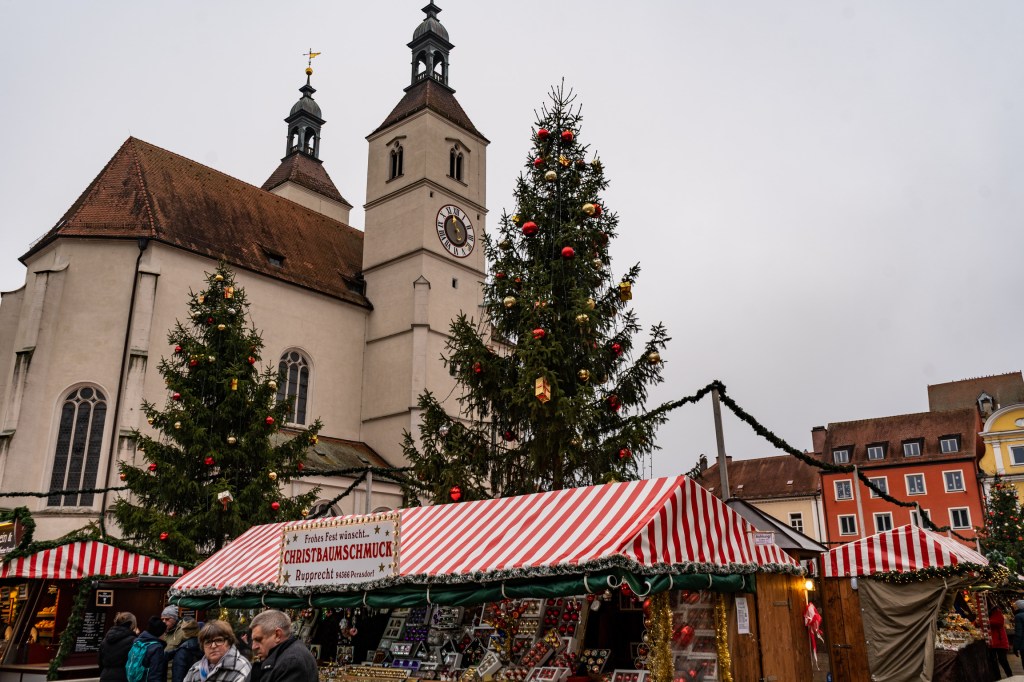
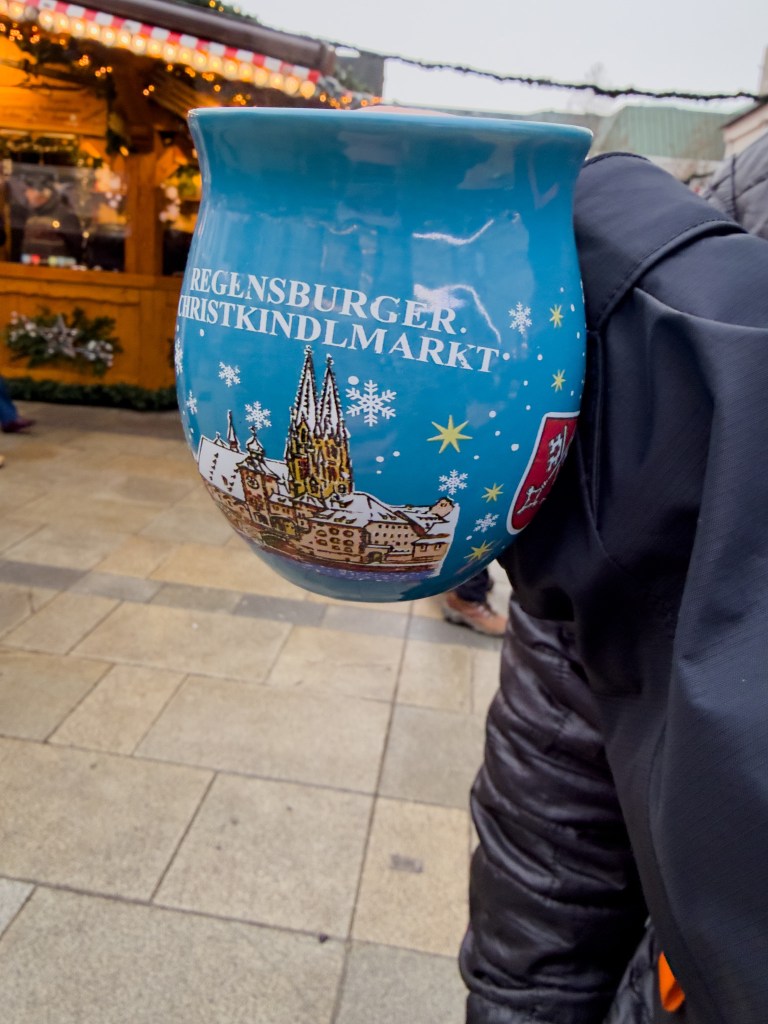
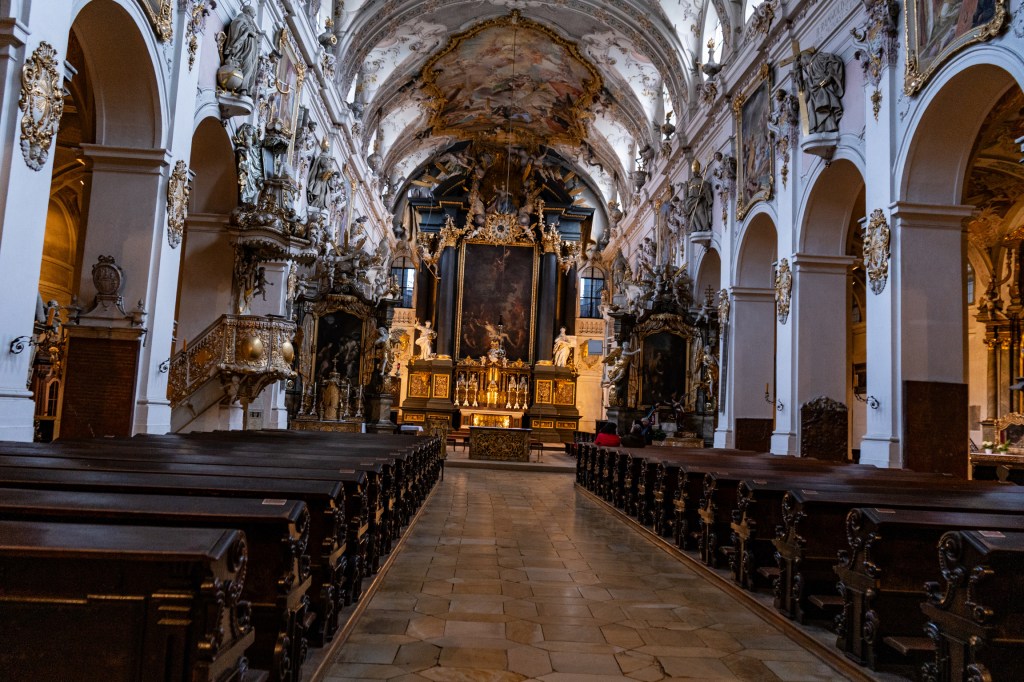
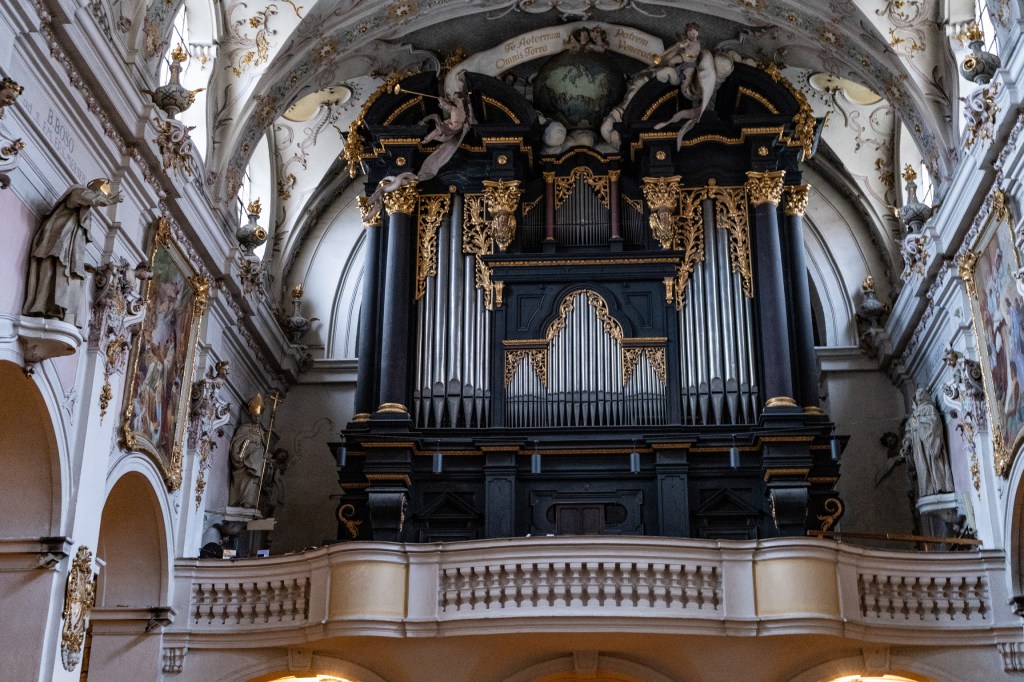
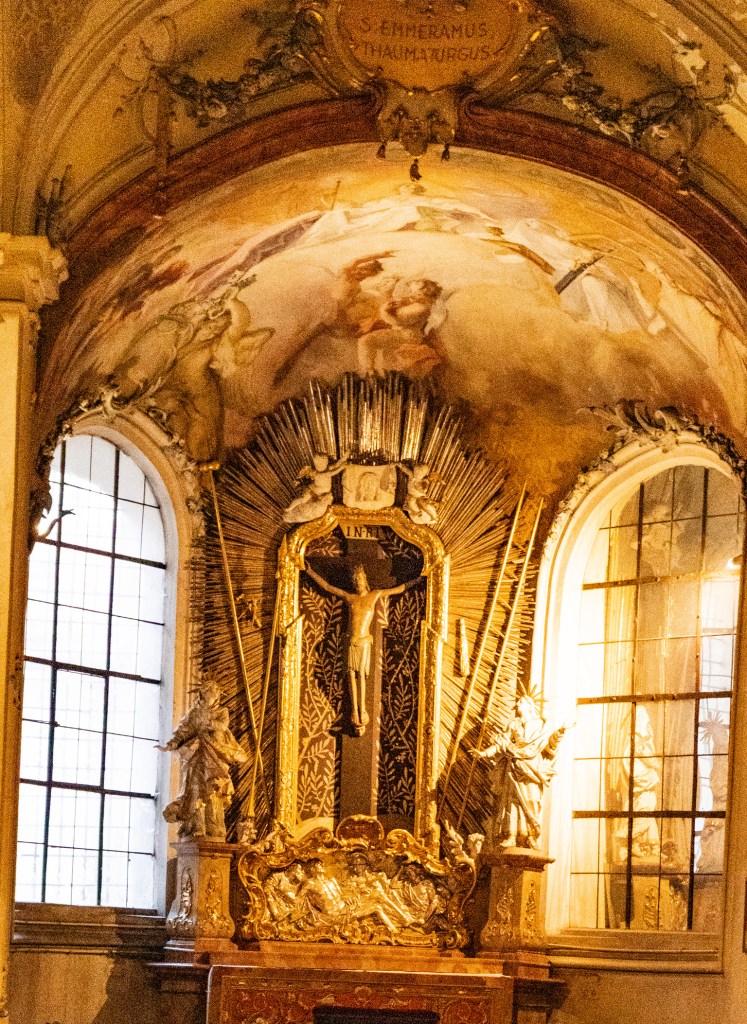
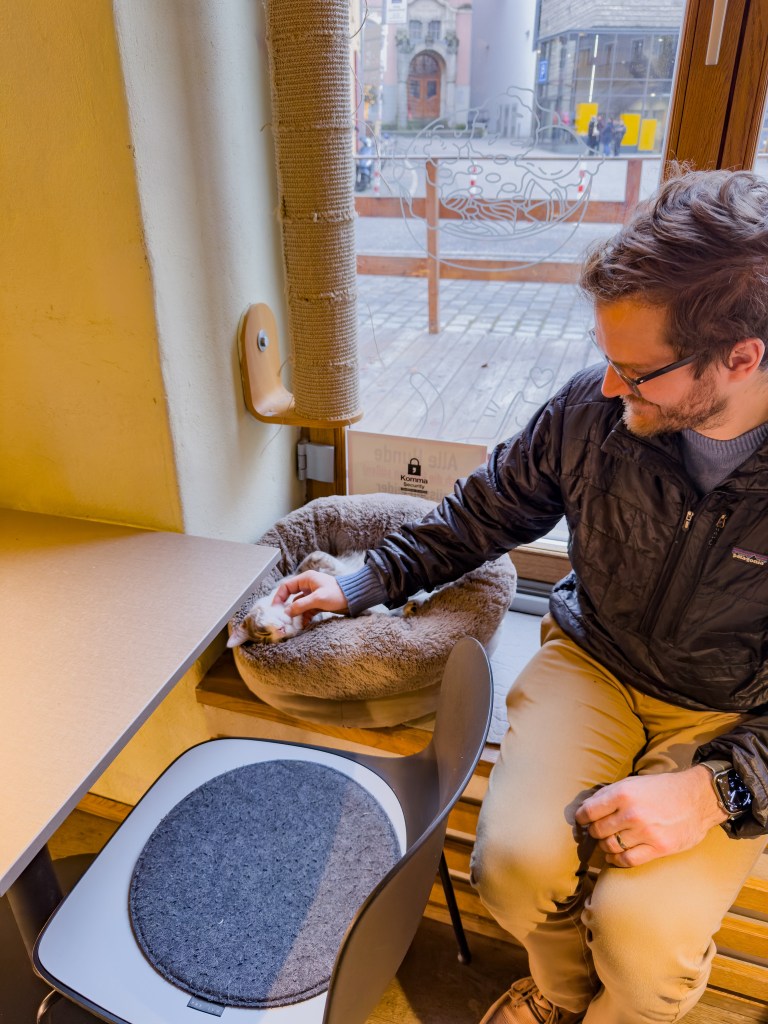
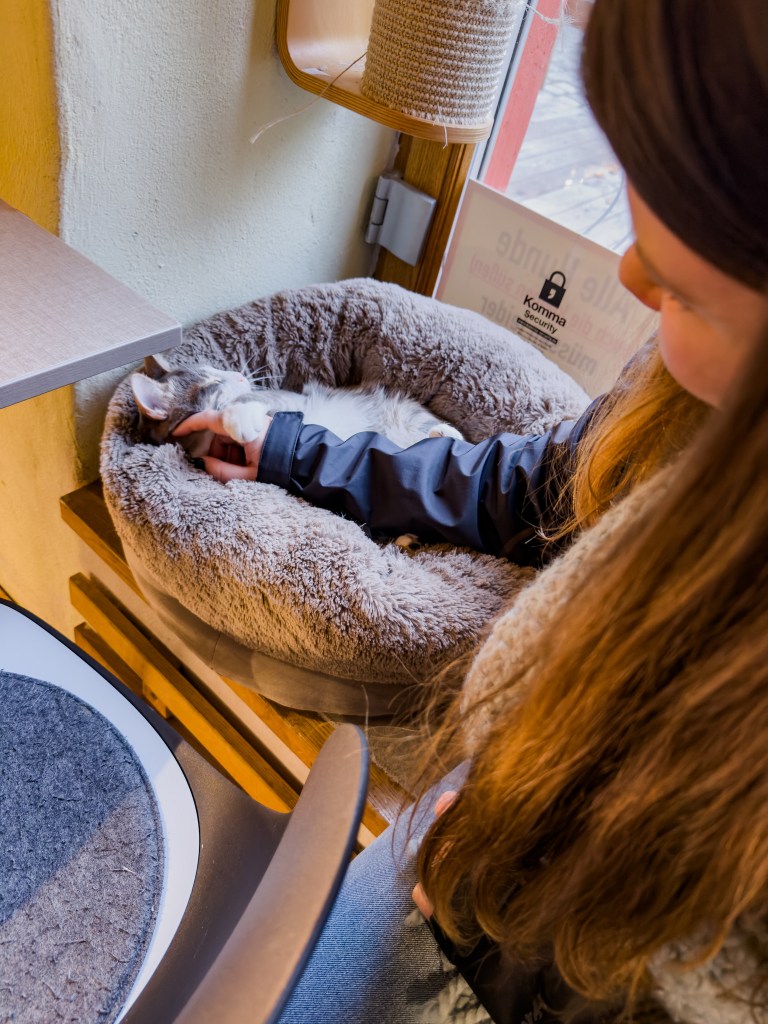
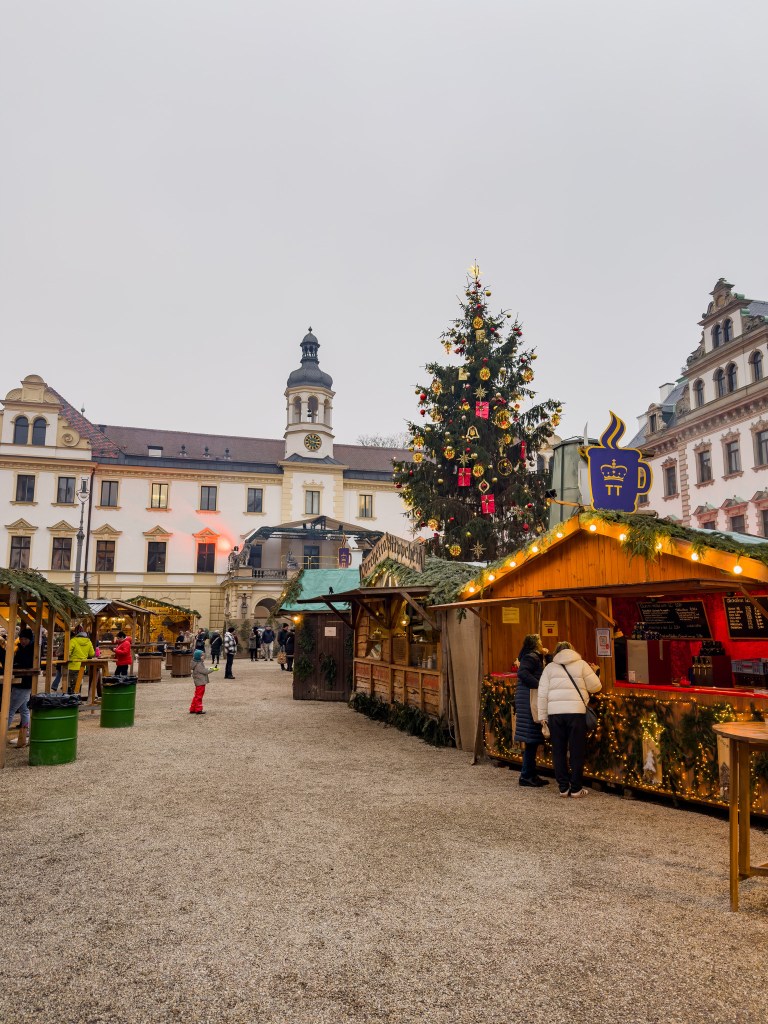
Our second day trip was to Regensburg, Germany. We visited the Cathedral of St. Michael, a truly inspiring structure. Regensburg has a lot of smaller Christmas markets, so we walked around the city and enjoyed lots of delicious food and treats. In our meandering we stumbled upon a 1,000 year old abbey and the site of the crypt of Saint Wolfgang, one of the three major Germanic saints. Since we were missing our pets, we had lunch at a local cat cafe and got to play with some of residents. We ended the day at a medieval Christmas market inside the walls of the local palace.
Stuttgart, Germany (Dec. 5)
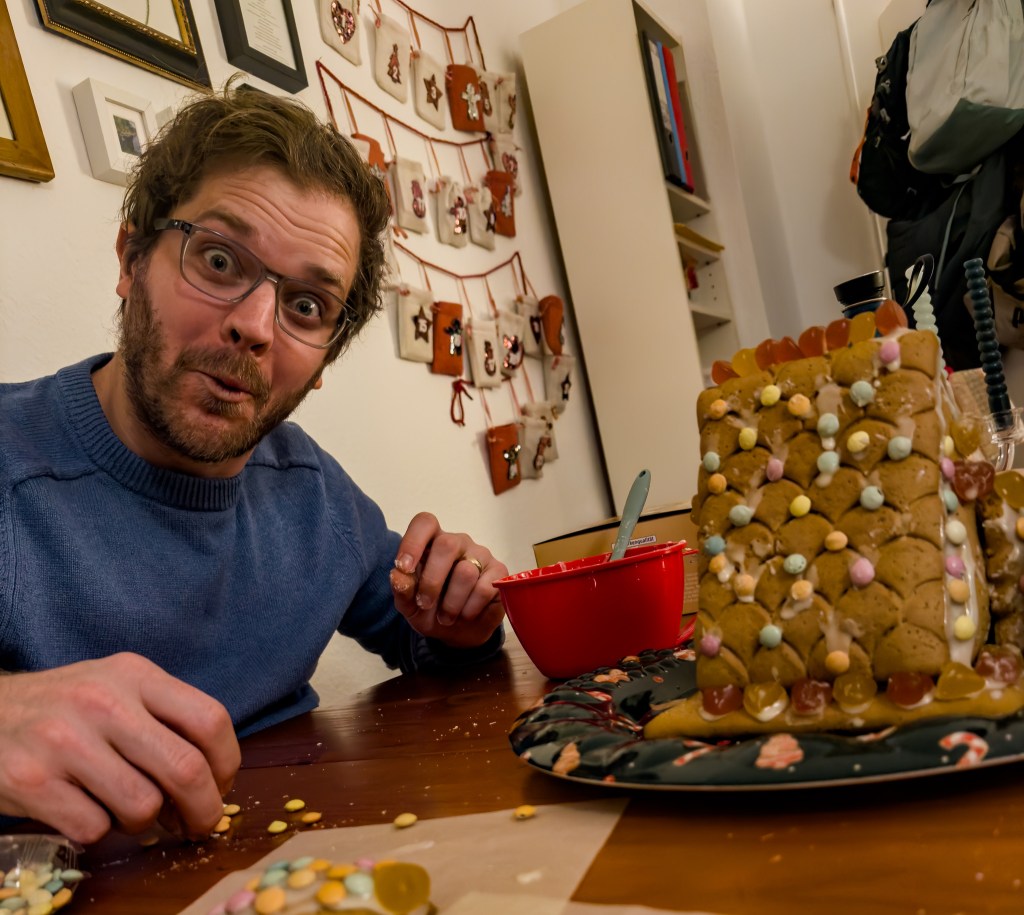
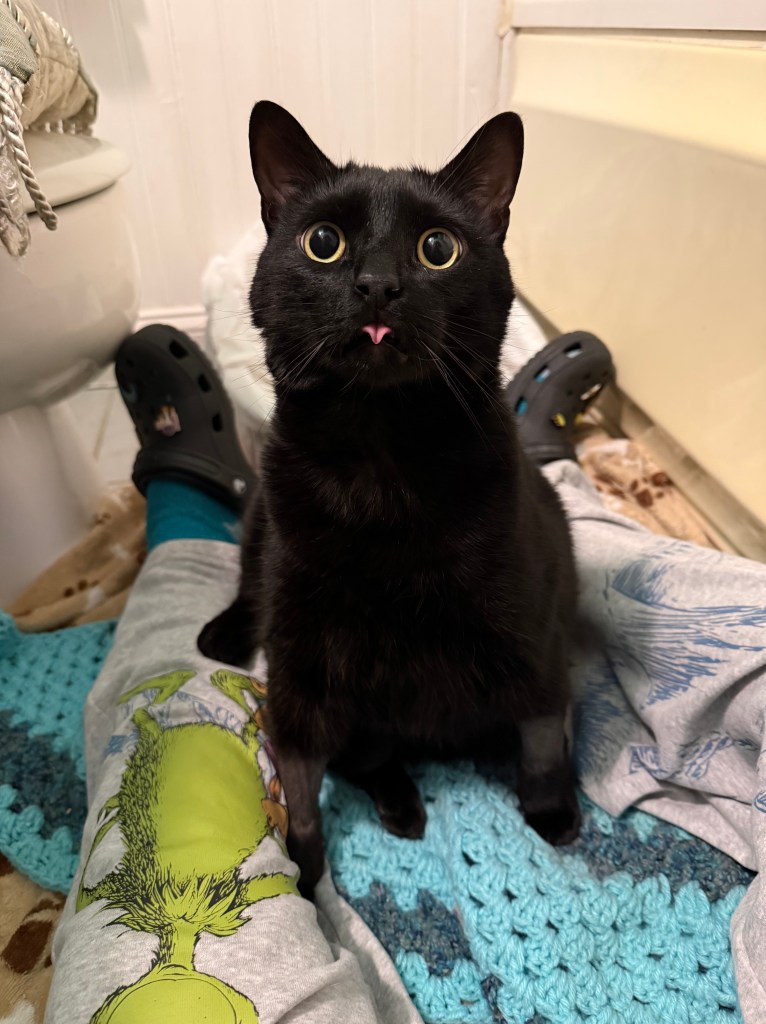
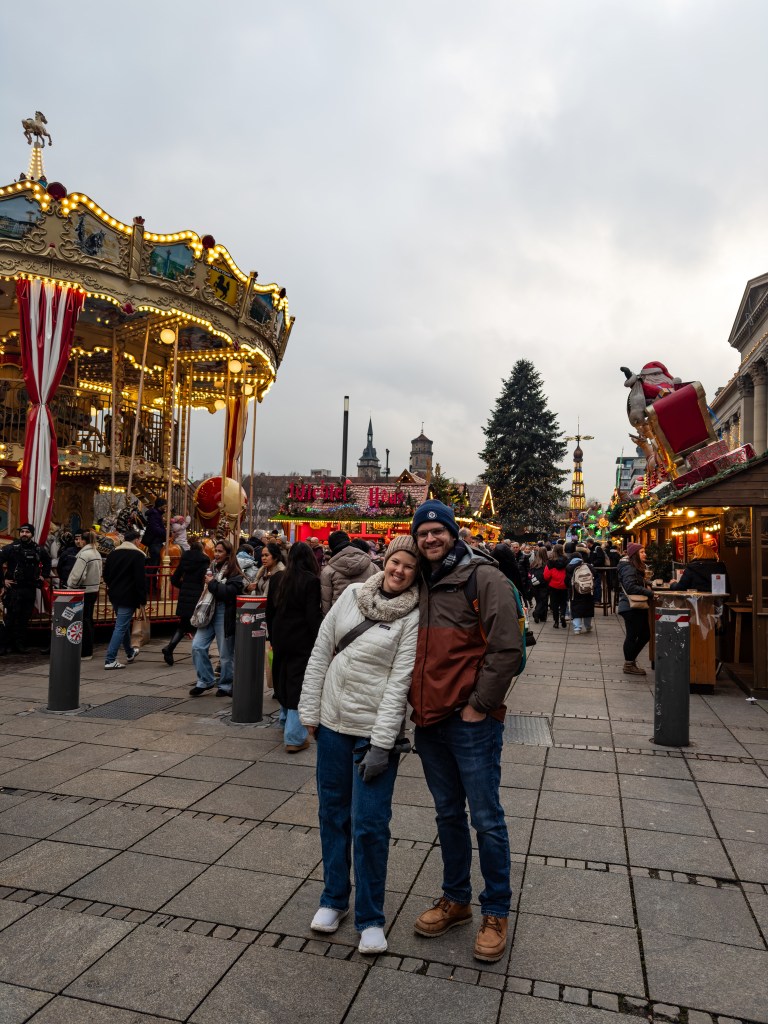
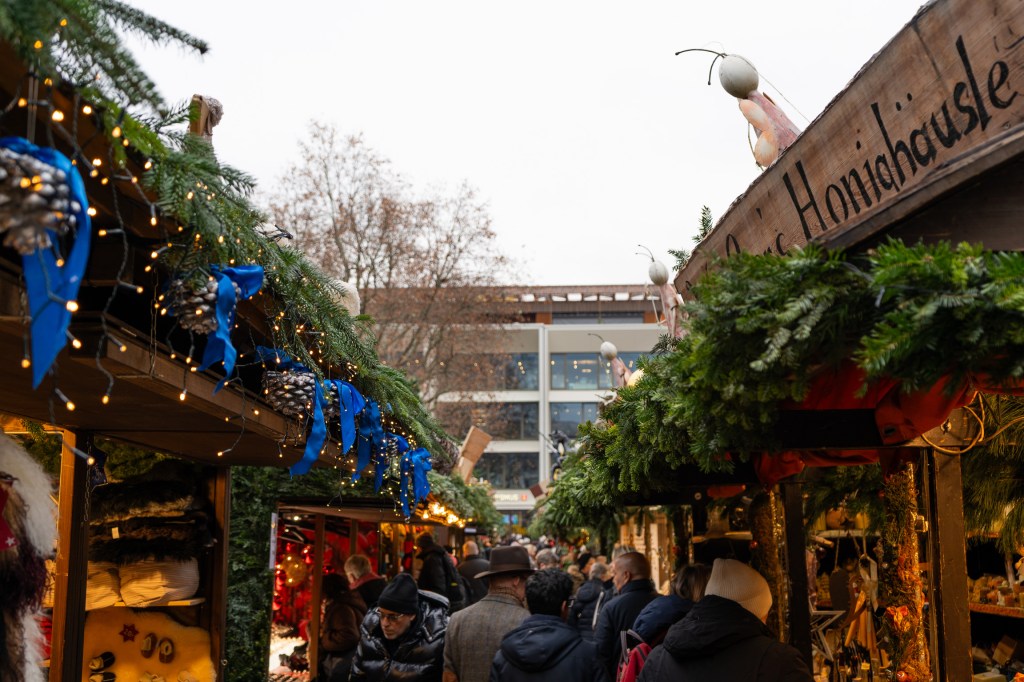
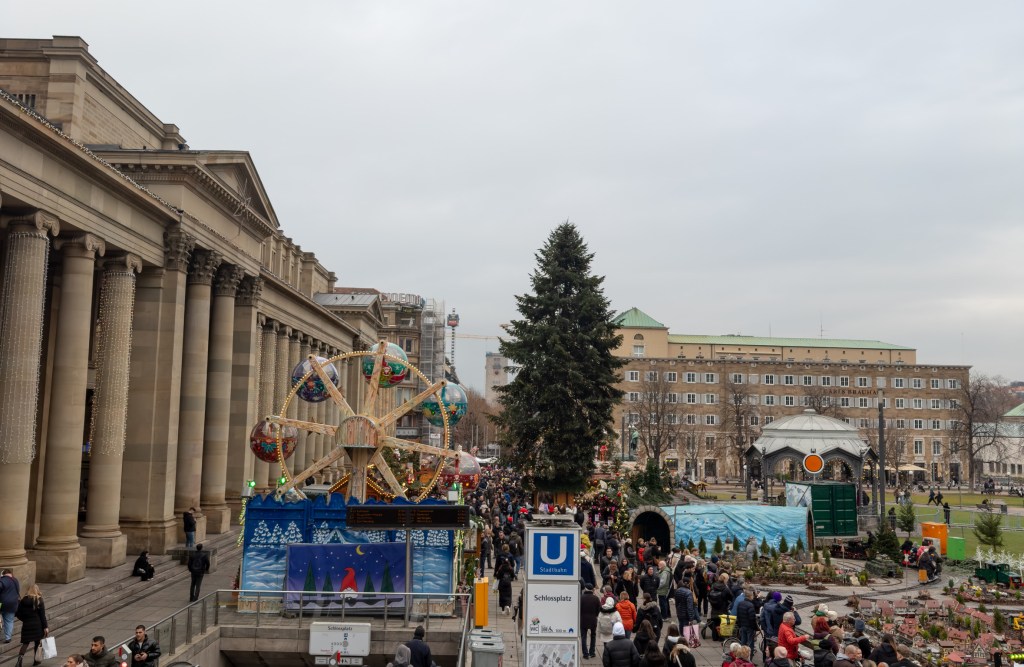
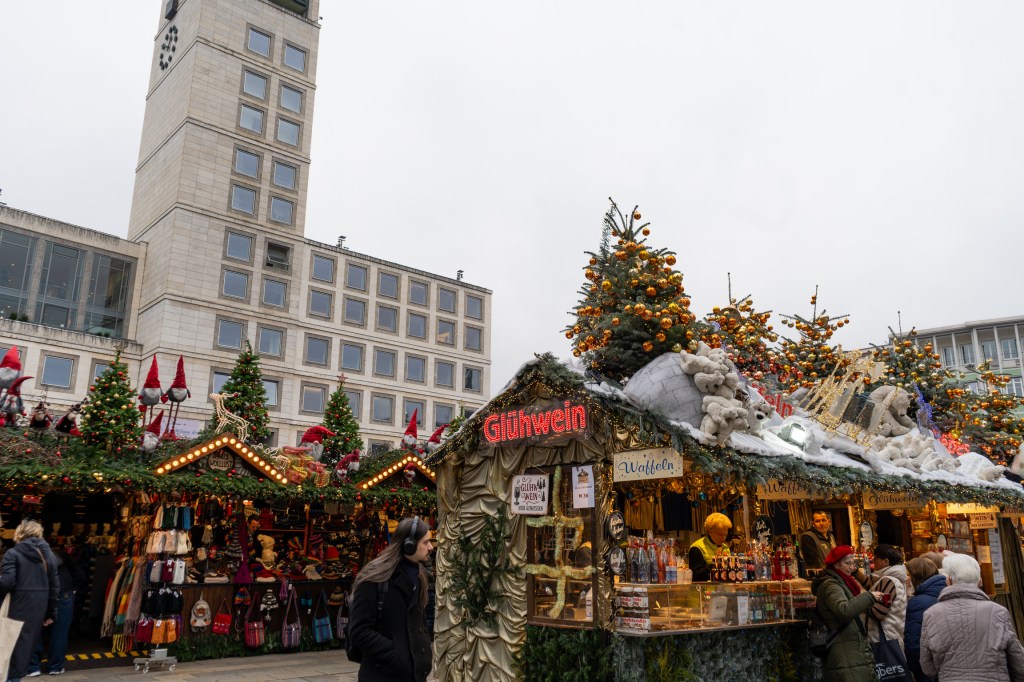
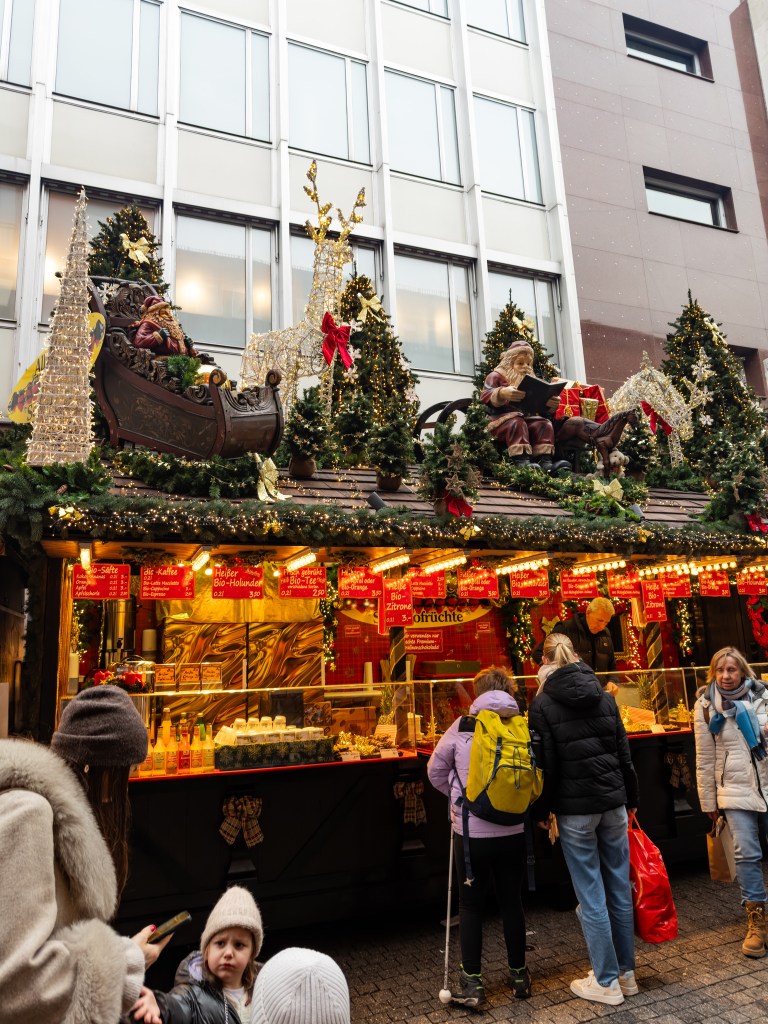
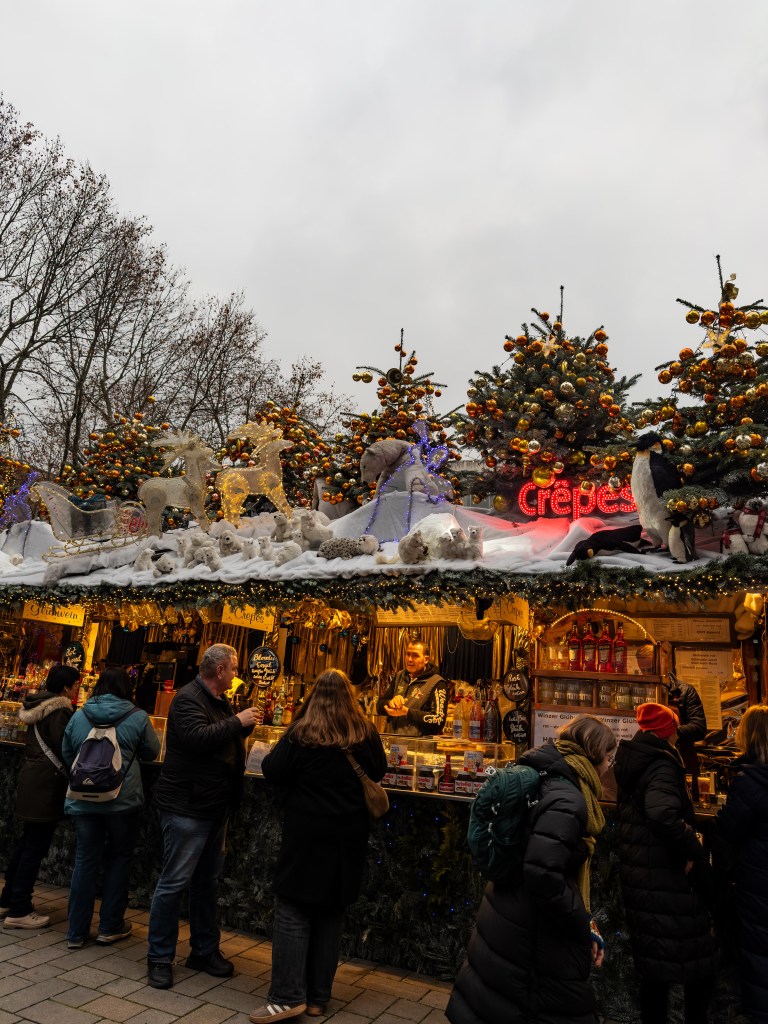
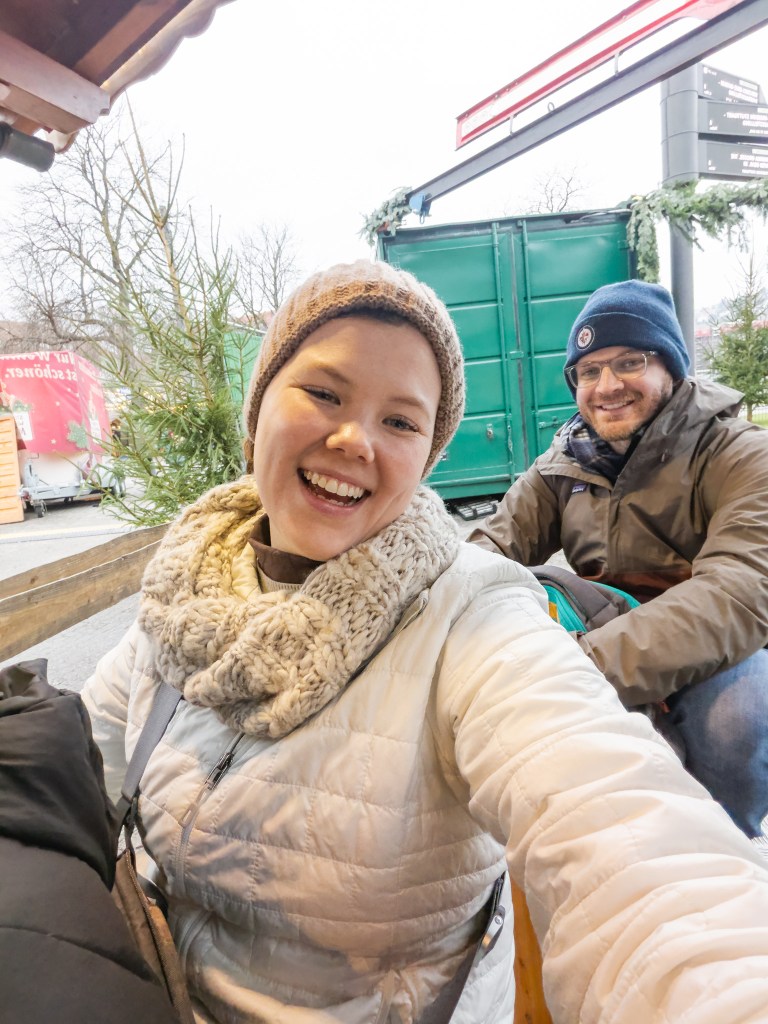
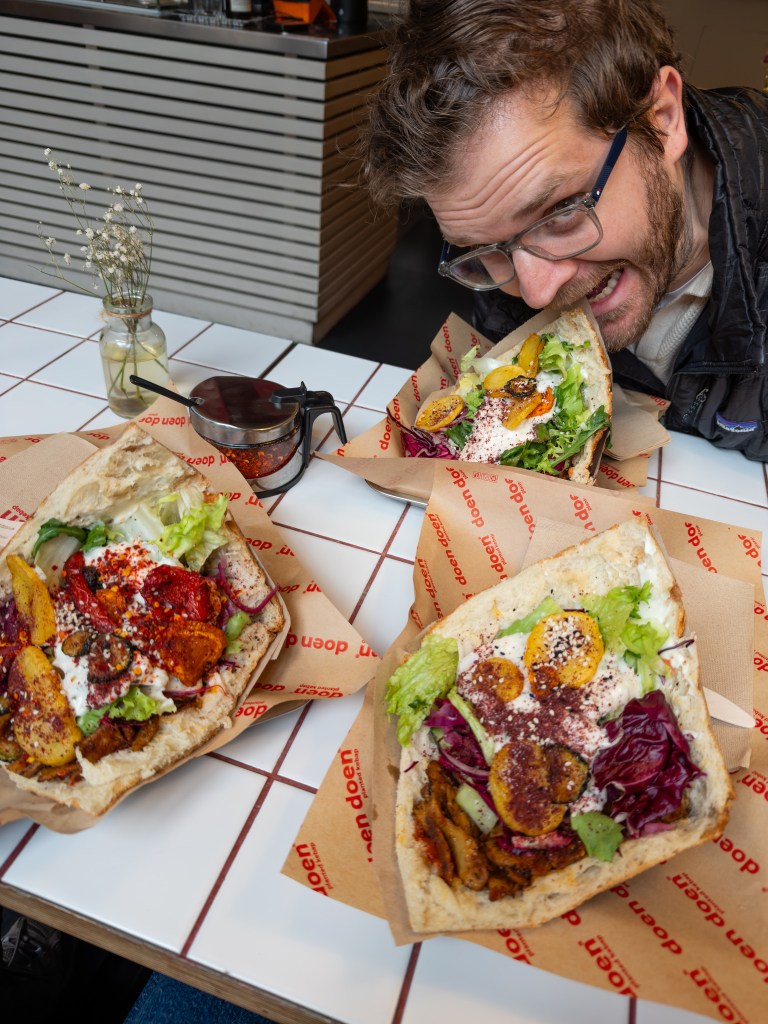
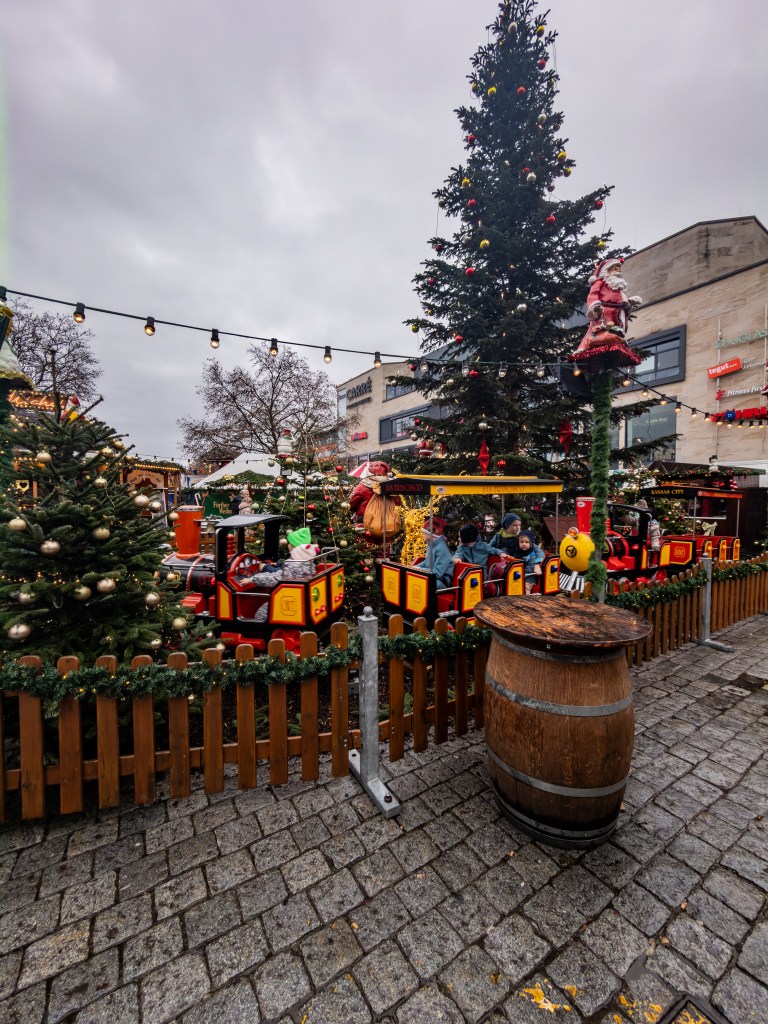
On December 4th, we canceled our planned day trip to Bamberg and Bayreuth because we needed some down time while our cat, Noir, was receiving lifesaving surgery across the world (picture of him included as a shoutout). Instead, we spent the day exploring Nuremberg and building a Lebkuchen (gingerbread) house. On the 5th, we traveled to Stuttgart for a day trip. Stuttgart has one of the oldest and largest Christmas markets in Europe and is also a major car manufacturing hub (Mercedes-Benz), so the environment is much more elaborate and modern compared to other traditional markets. It even included a children’s train ride around a model German city (which yes, we did ride). We wandered around Stuttgart and also located a delicious fully vegan Döner Kebab shop (a Turkish-German dish that Cameron fell in love with in Berlin last year).
Rothenburg ob der Tauber, Germany (Dec. 6)
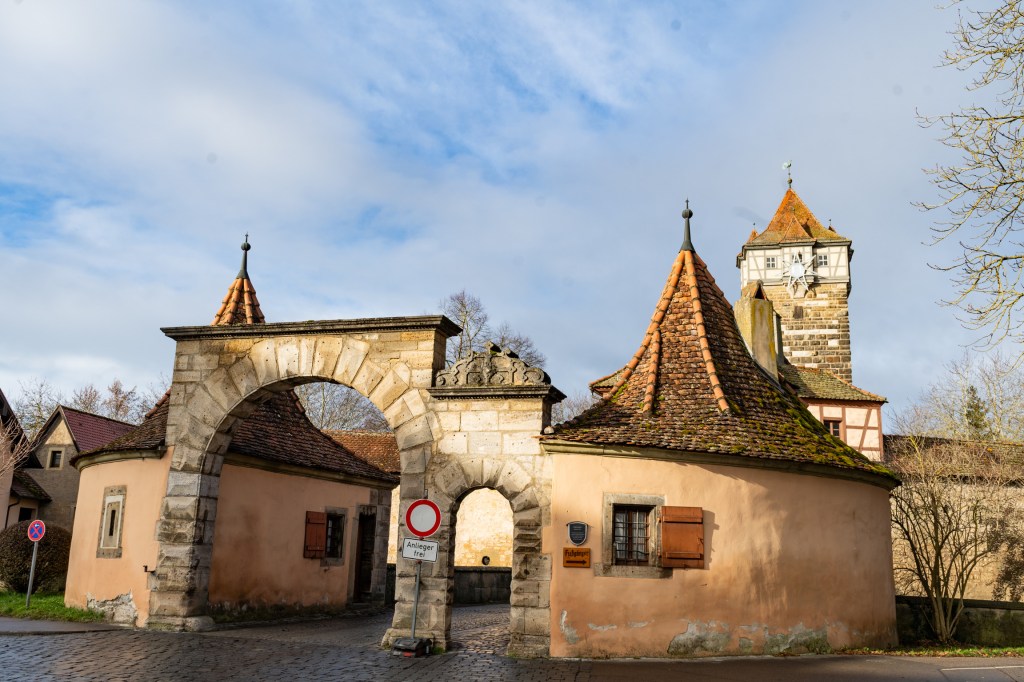
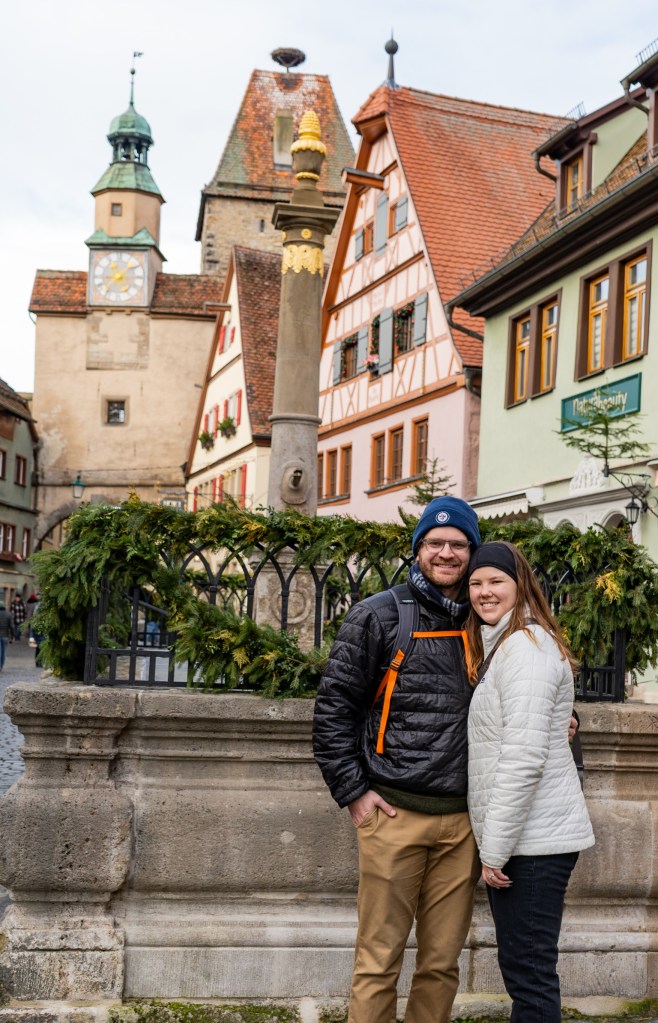
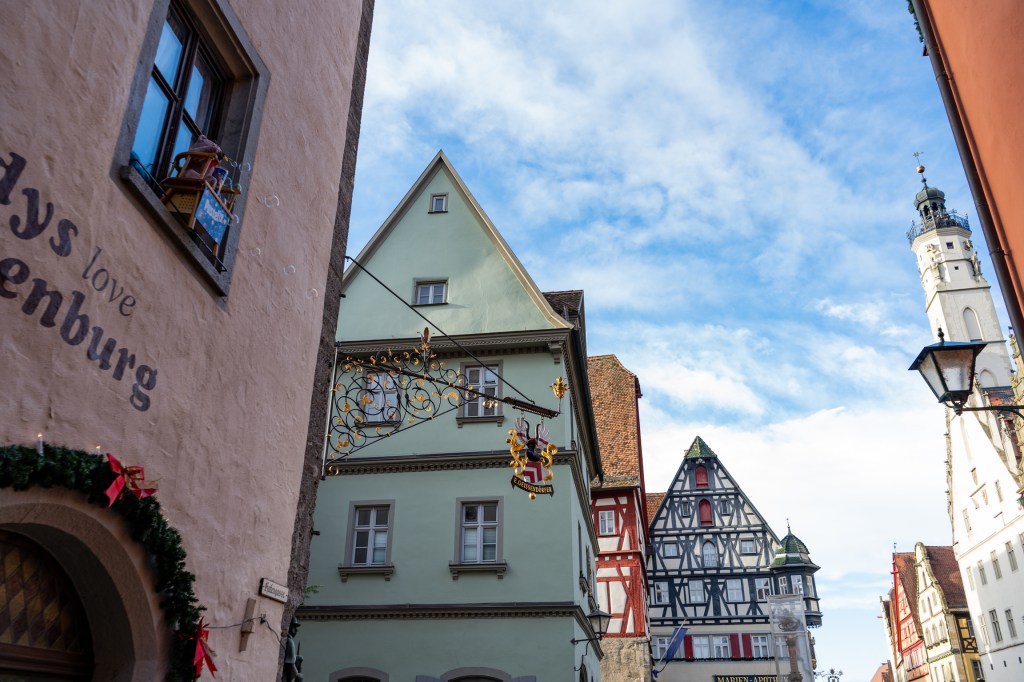
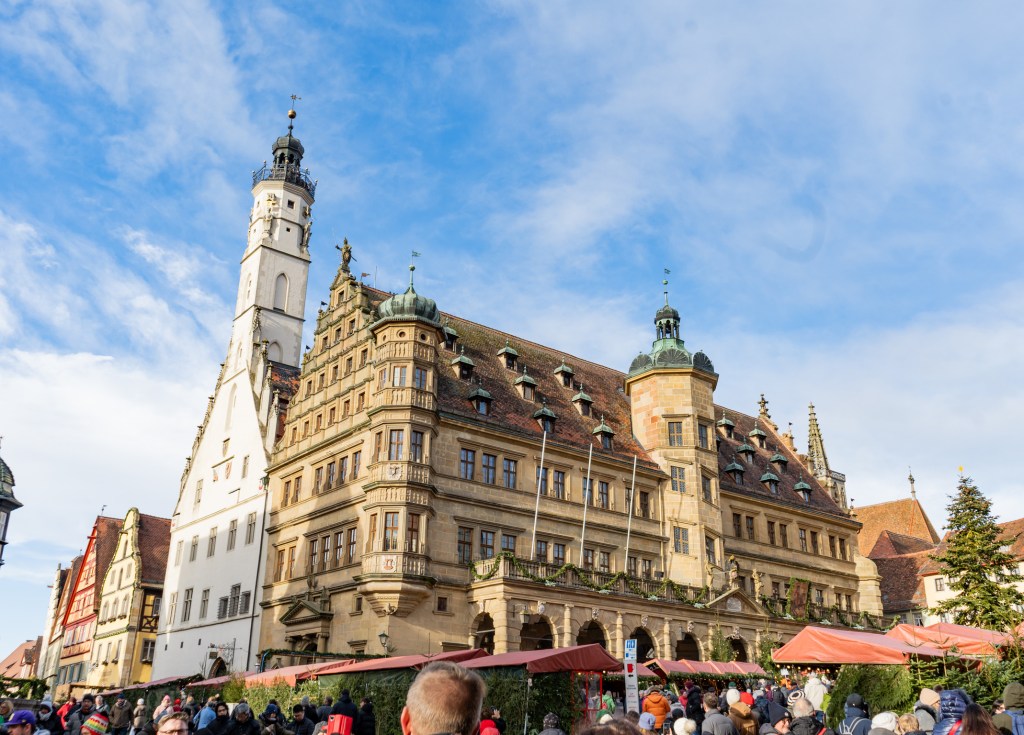
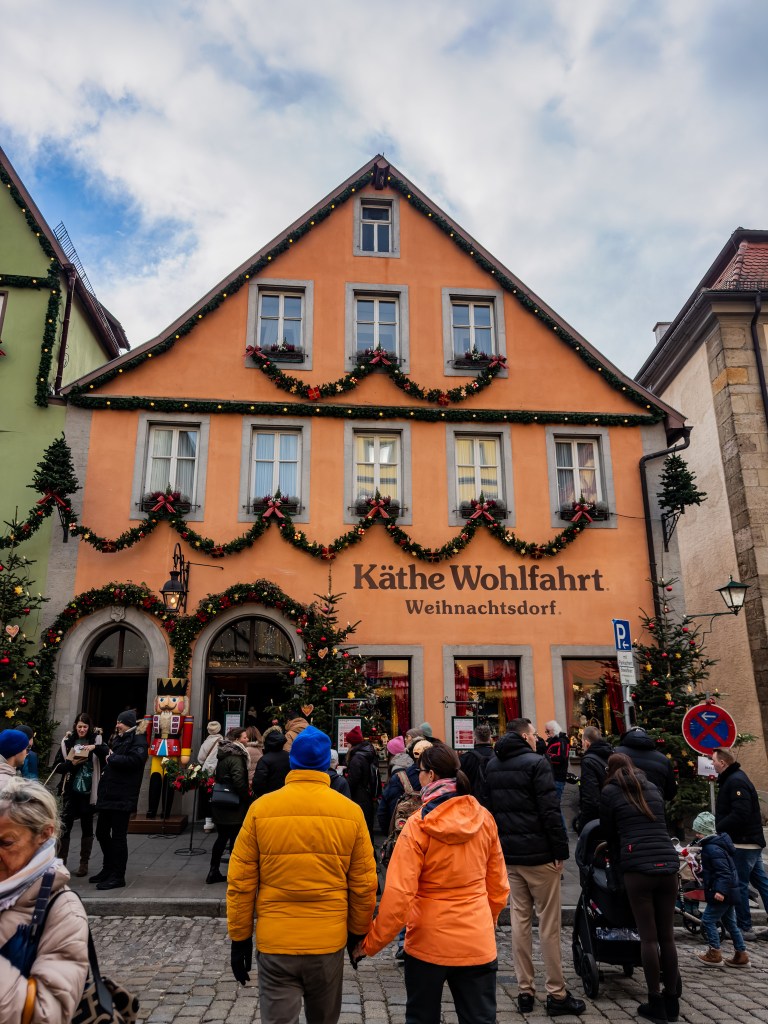
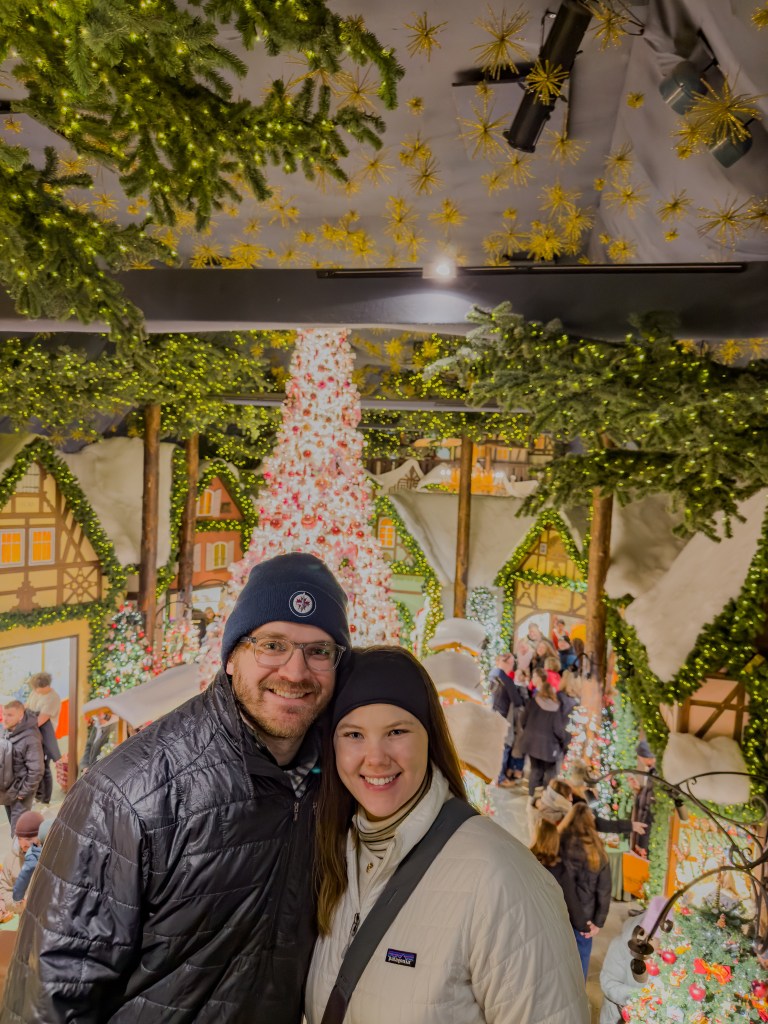
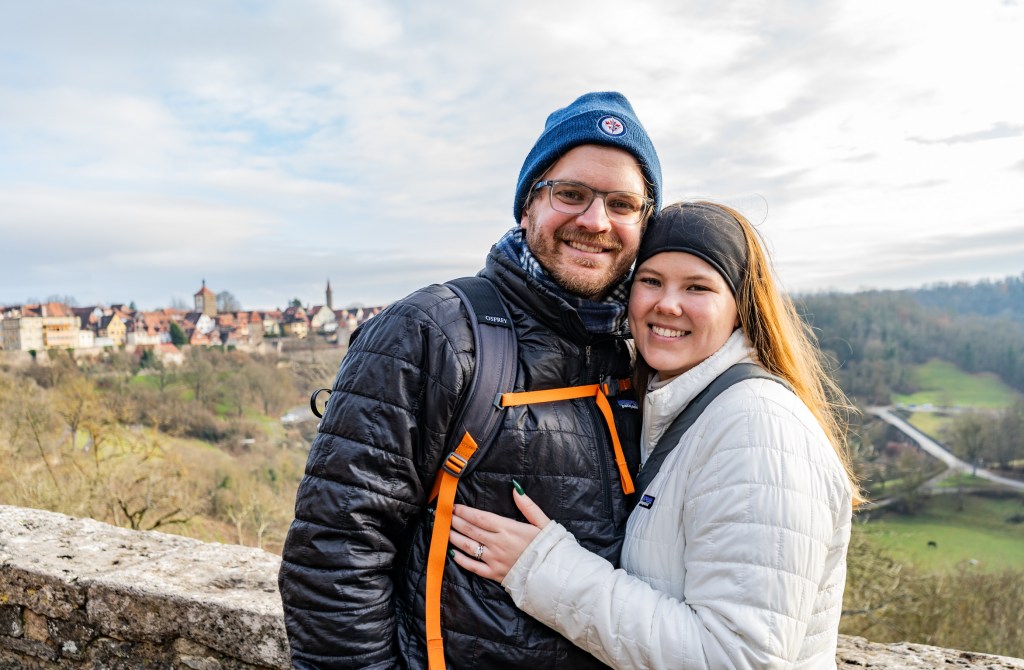
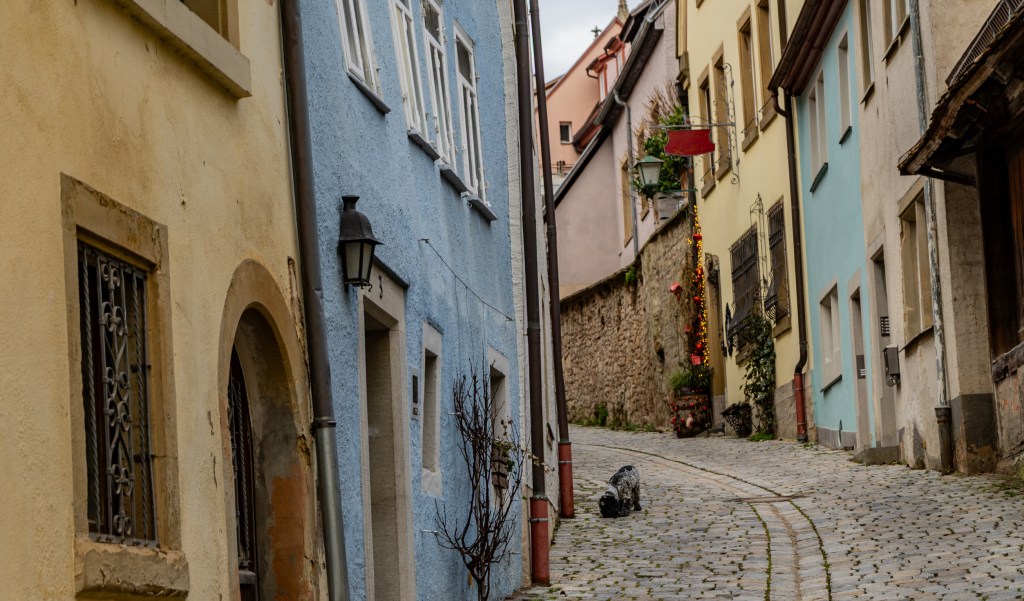
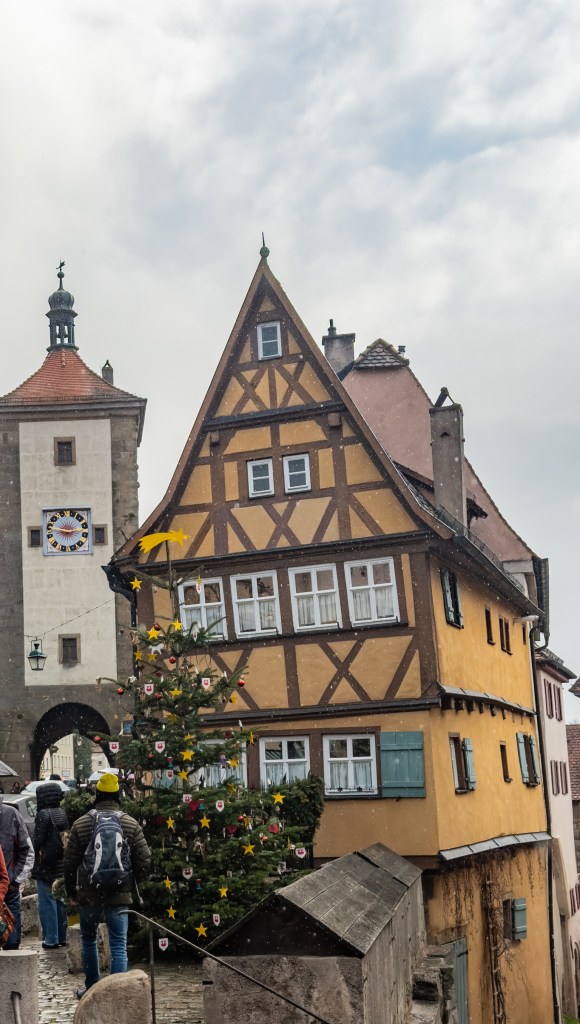
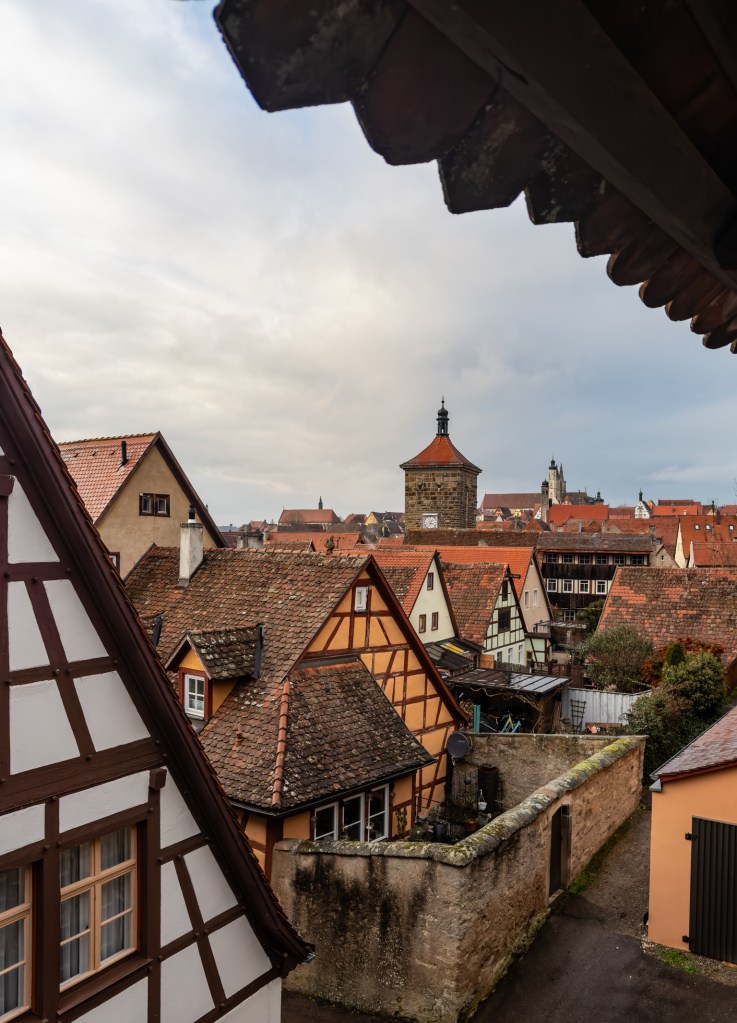
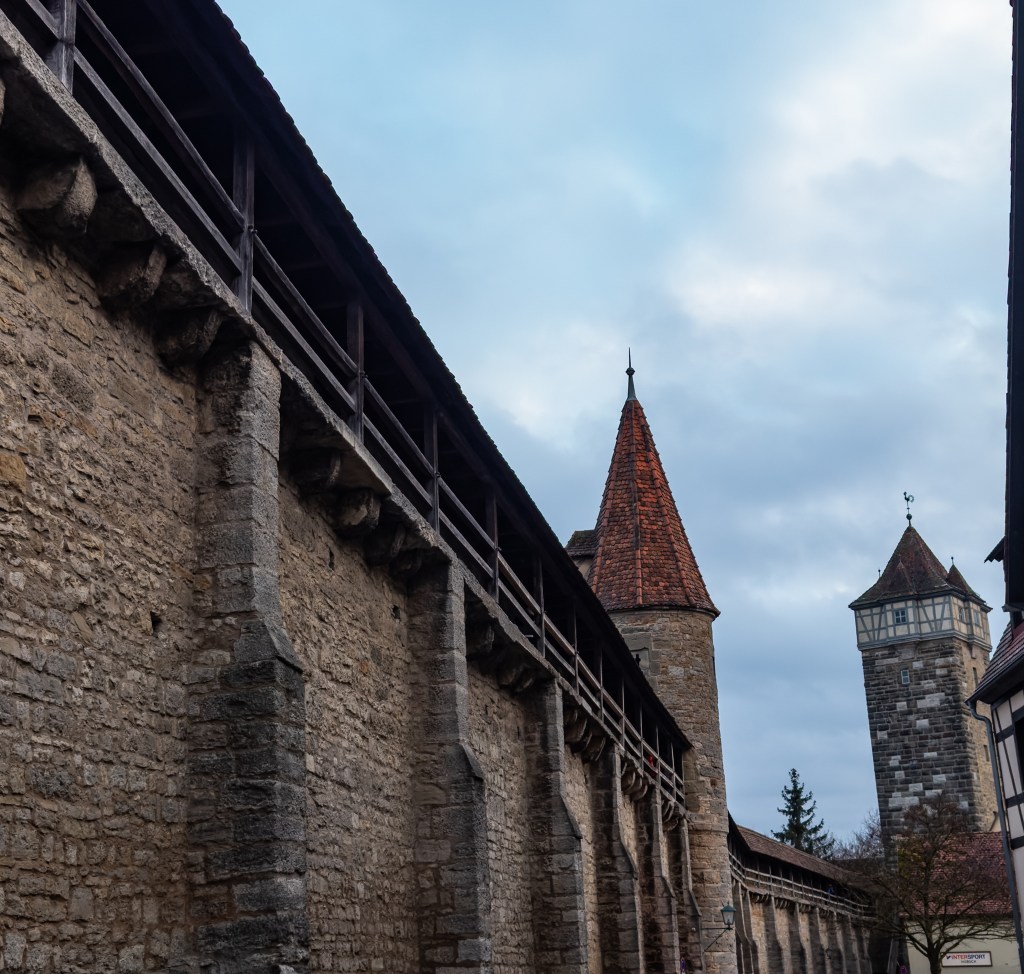
We took our final day trip to the small German town of Rothenburg, which is sometimes called the “storybook town” in Germany because of its preserved medieval architecture. As a relatively remote and tiny town, the damage from bombing during WWII was minor, allowing the original architecture to be preserved – most original Bavarian architecture looked exactly like this before the destruction during the war. Rothenburg is also home to the original Käthe Wohlfahrt store, a famous Christmas store that sells handmade items from local German artisans. They now have locations around the world, but Rothenburg is the original shop and feels almost like a Christmas Willy-Wonka factory. Several famous handmade and wooden carved items (for example, nutcrackers and cuckoo clocks) were invented in the surrounding regions of southern Germany and are produced here, many of them intricate and one-of-a-kind items. While in Rothenburg, we also walked up to the medieval fortress with a beautiful overlook of the town, and walked through the medieval wall that surrounds the town to this day (which had some damage from WWII bombing but was restored to its original appearance with the help of donors from around the world).
Nuremberg, Germany (Dec. 7)
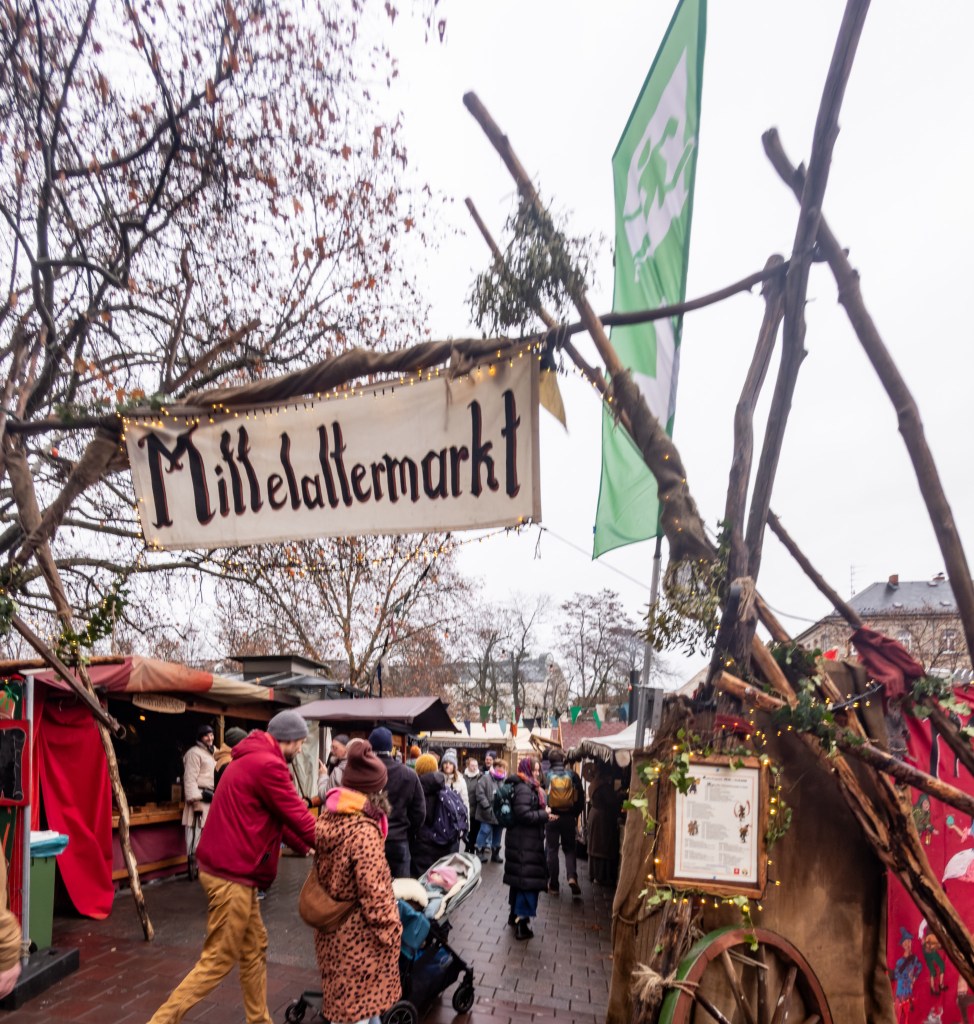
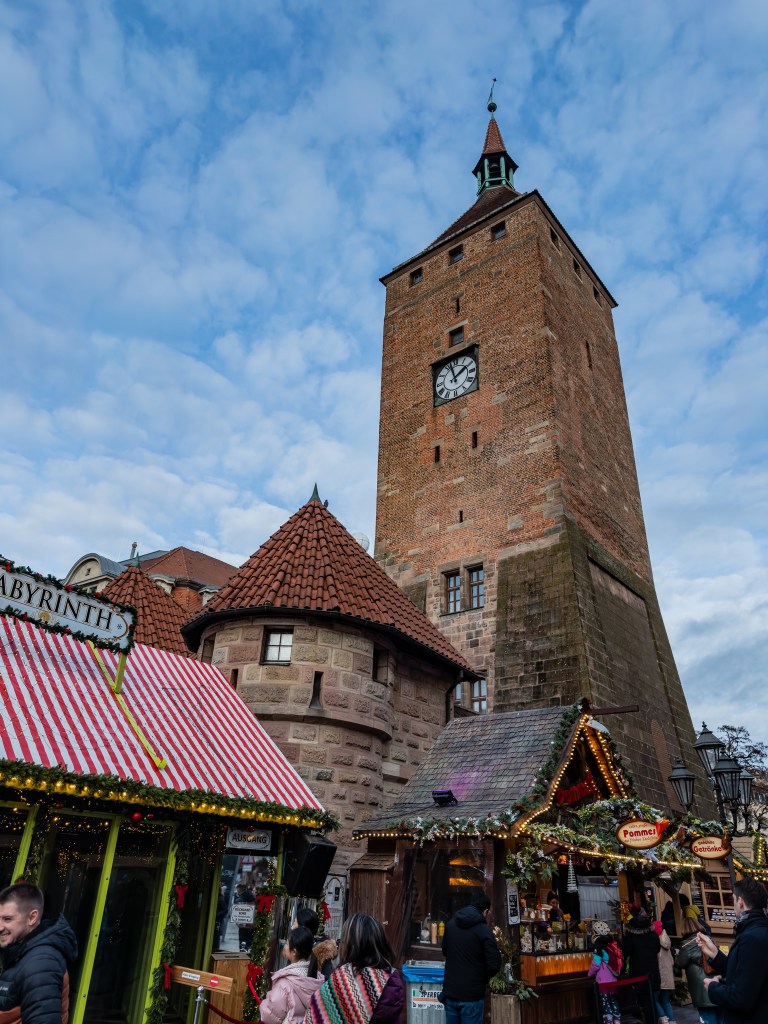
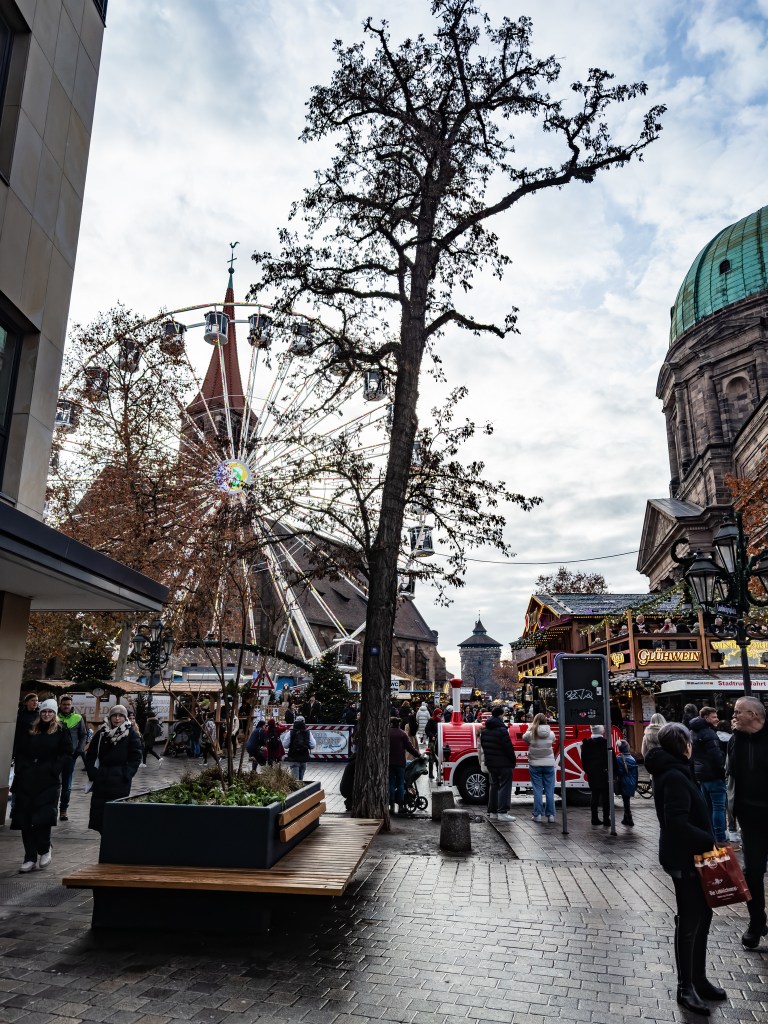
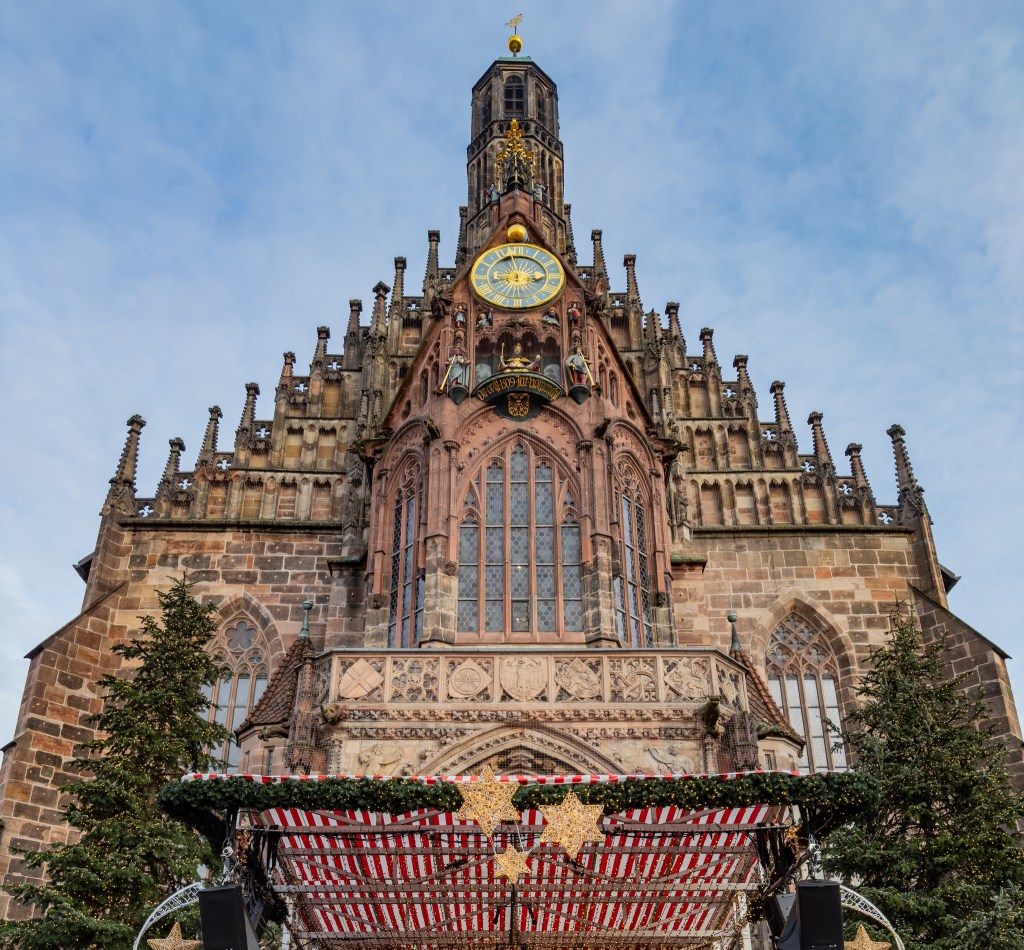
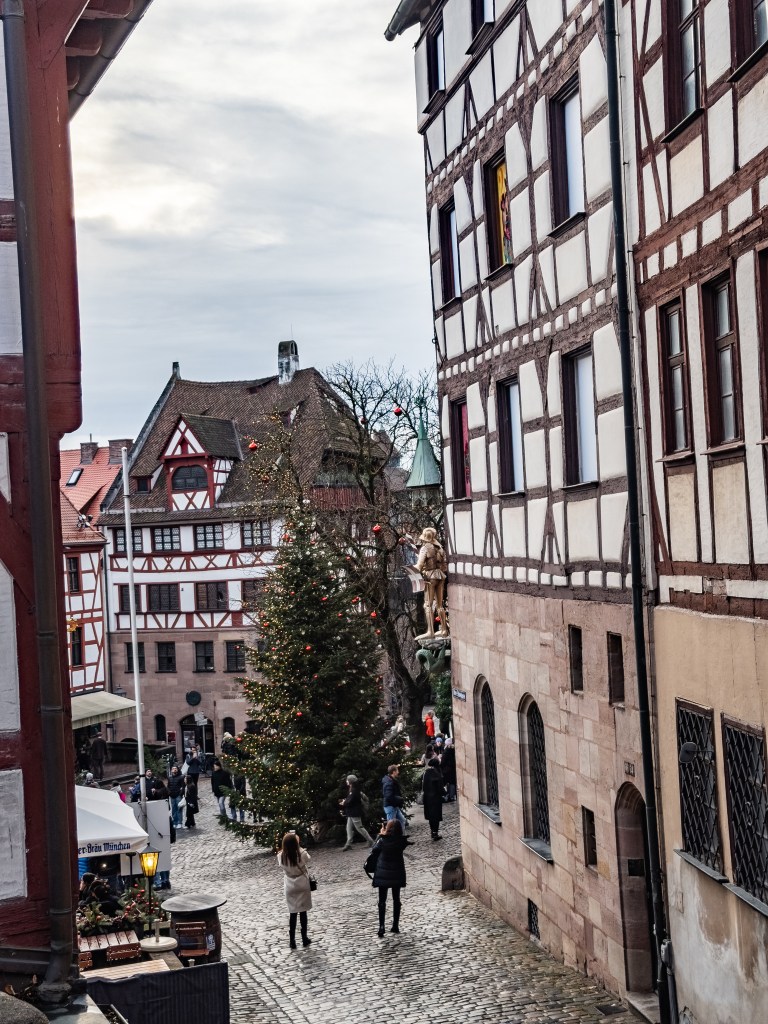
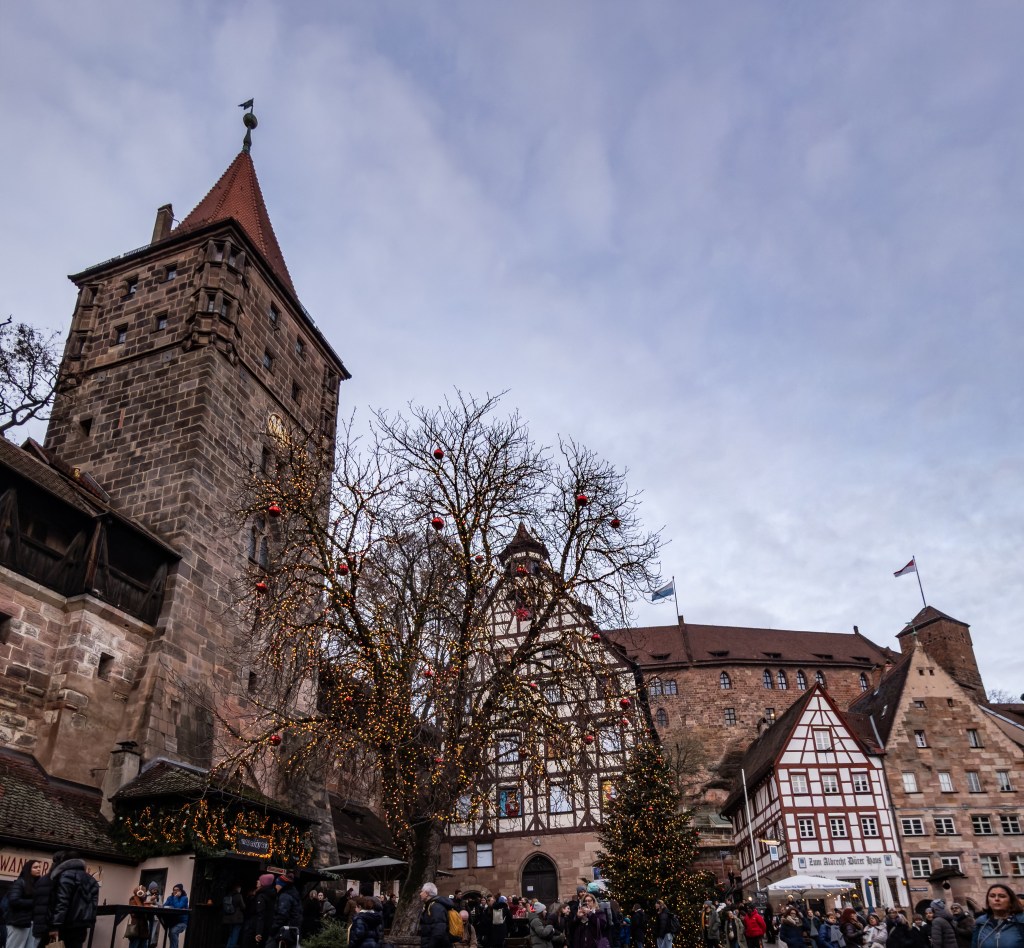
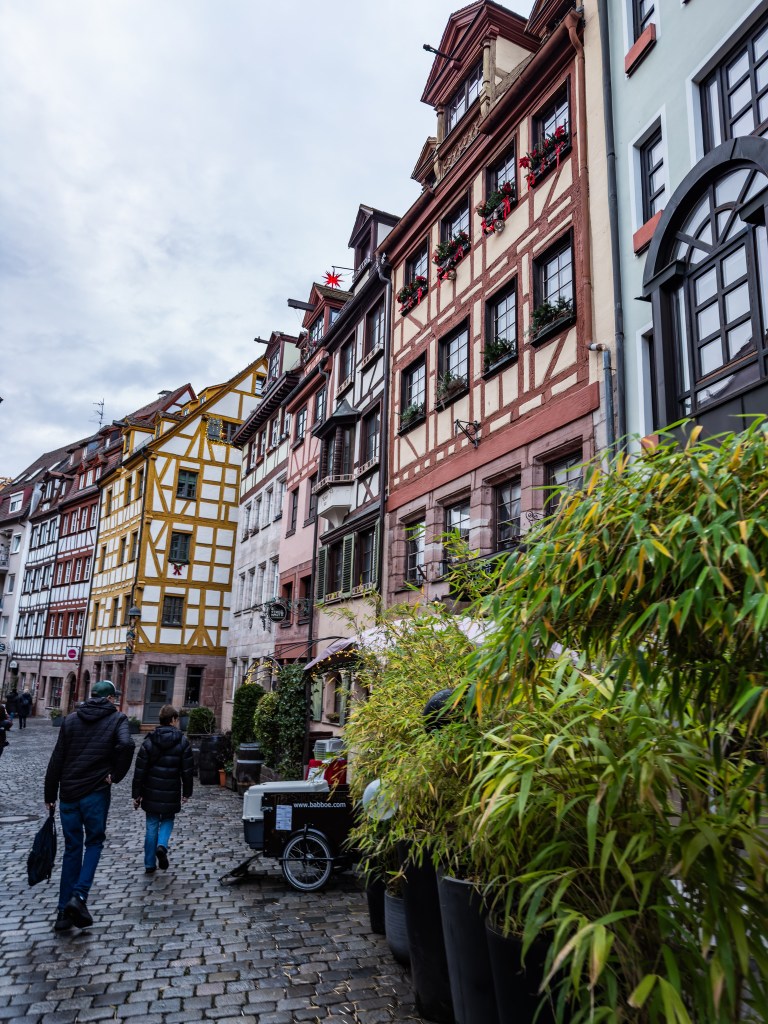
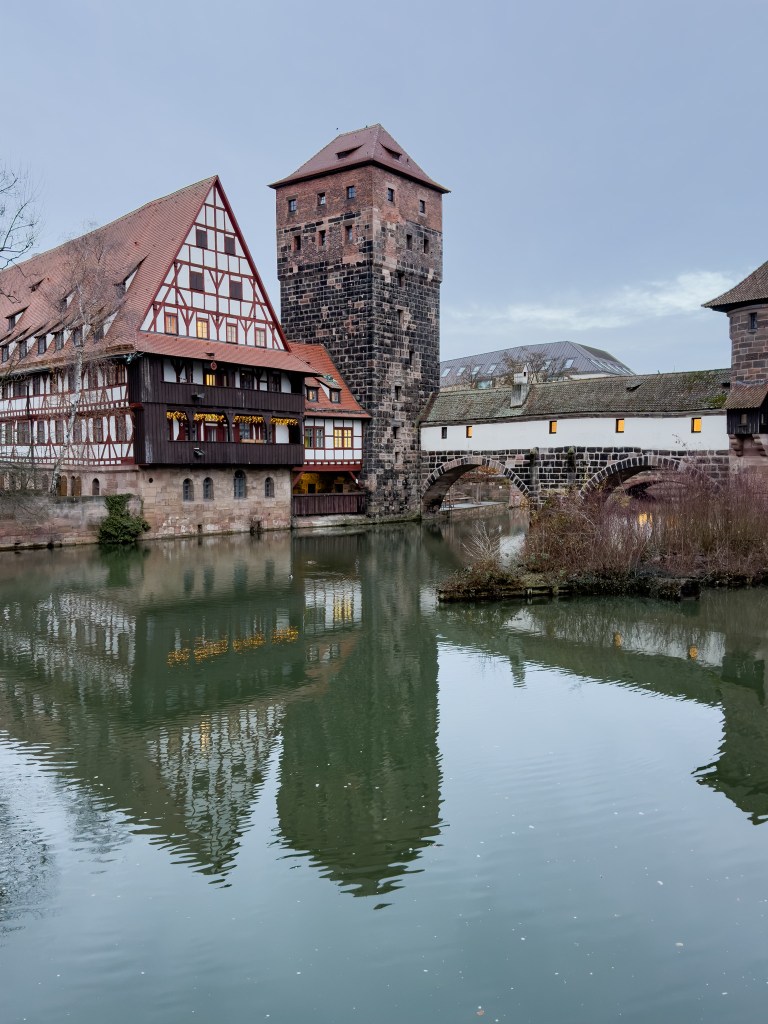
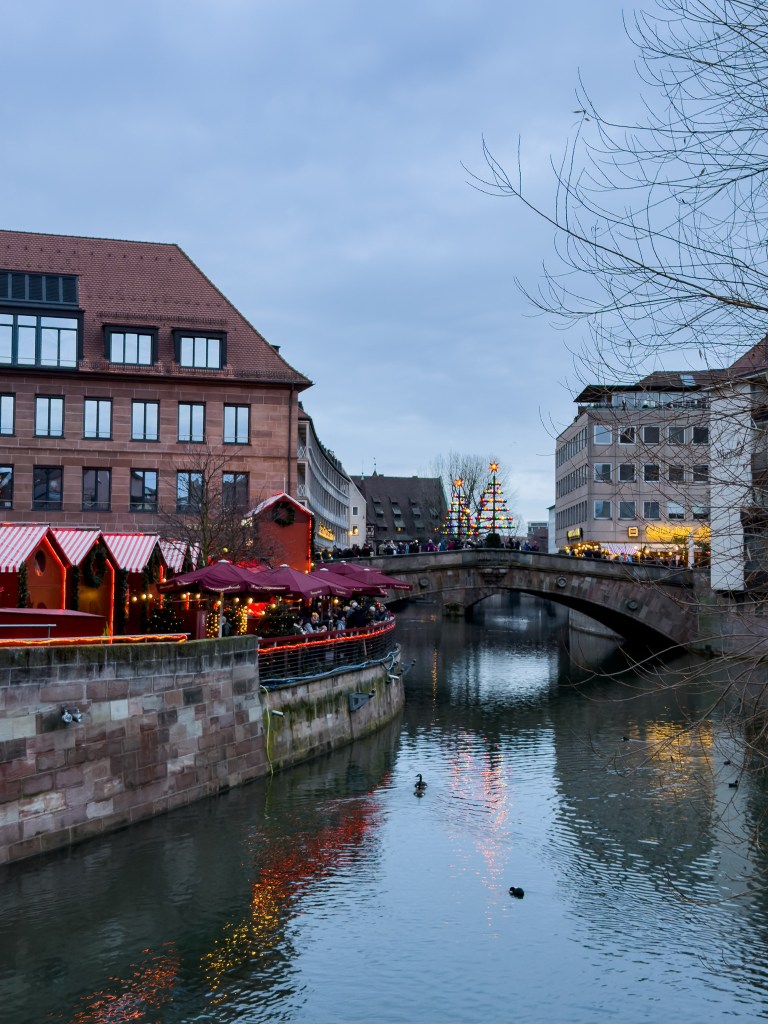
On our last day of the trip, we explored Nuremberg, including the Christmas market and historical sites. Nuremberg has an infamous history as a key site of Nazi rallies, and was therefore also the site of the Nuremberg trials. Like the rest of southern Germany (although even more so due to its influence in the Nazi movement), Nuremberg was heavily bombed and destroyed during WWII, though there are a few key sites that were either preserved or restored to the original medieval style following the war. We explored a medieval Christmas market in the neighboring town, Fuerth, in addition to the famous centuries-old Christmas market in Nuremberg Altstadt (old city). We also wandered around the stunning sites in the city, including the Imperial Castle which hosted meetings of emperors and kings during the Middle Ages (it is believed to have been in use from 1050 to 1571). As the sun went down, we enjoyed one last meal with our hosts (more vegan Döner Kebab for Cameron!) and headed via train to Frankfurt to catch our flight the next morning back to the U.S.
 Beb-ventures